






4-Year B.E.
in Computer Science & Engineering

The program combines core computer science principles with advanced technologies. After their 2nd year, students can choose one of these industry-endorsed specialisations developed in collaboration with industry leaders: Full Stack, Mobile Web App Development, Cyber Security, Cloud Computing, Data Science & Analytics and Game Design & Technology.

  • Course Duration

    The program spans 4 years, providing a strong foundation in computer science and advanced technologies.

  • Internship Opportunity

    Includes 6-12 months of industrial training with leading corporations, offering hands-on experience in cutting-edge technology.

  • Campus Recruitment

    Graduates gain placement opportunities with top multinational tech companies and innovative startups.

  • Eligibility

    Click here to read more about the eligibility of our 4-Year B.E. in Computer Science & Engineering

    X

    Eligibility

    Candidates must qualify one of the two sets of criteria given below to be eligible for admission.

    • Option 1:Passed XII with a minimum aggregate of 60% or secures 60% in Physics, Chemistry and Mathematics; appeared in JEE Main-2026 (January/April); and, passed 10+2 examination in 2025 or appearing in 2026. The admission shall be made on the All India Rank (AIR) of JEE Main-2026.
    • Option 2:Passed XII with a minimum aggregate of 70% or secured 70% in Physics, Chemistry and Mathematics; and, passed 10+2 examination in 2025 or appearing in 2026.

B.E. Computer Science & Engineering

B.E. CSE

Our B.E. in Computer Science & Engineering offers a solid foundation in computer science. Industry-endorsed specialisations ensure students are well-prepared for careers in software engineering, IT solutions, and technology innovation.

Program Structure
  • Core Computer Science: Data Structures, Algorithms, Operating Systems, Computer Networks, Database Management Systems, Software Engineering, and Discrete Mathematics.
  • Advanced Topics: Software Architecture, Cloud Computing, Cyber Security, Big Data, and Distributed Systems.
  • Application Development: Mobile and Web Application Development, Object-Oriented Programming, and User Interface Design.
  • Hands-on Experience: Practical projects, industrial training, and real-world problem-solving to apply theoretical concepts.
  • Industry-Endorsed Specialisations: After the second year, students can choose from a range of industry-relevant specialisations, designed in collaboration with leading companies.
Learning Outcomes +
Read more…
Read less…

Be a part of India’s Top Rated University

india Icon

Learning Outcomes +
Read more…
Read less…

Program Highlights

Chitkara University’s B.E. in Computer Science & Engineering program offers cutting-edge curriculum, hands-on learning, industry collaborations, and exposure to emerging technologies. Students gain expertise in programming, software development, AI, and more, preparing them for successful careers in tech.

Cutting-Edge Labs

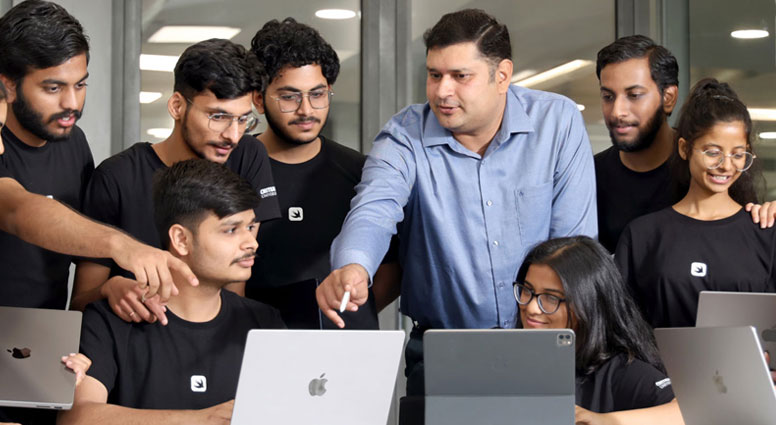
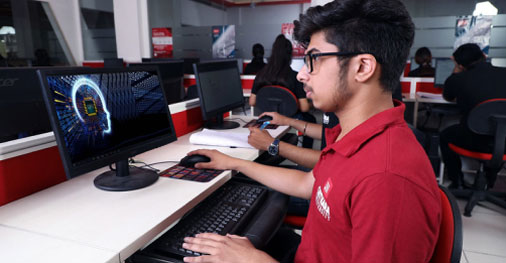
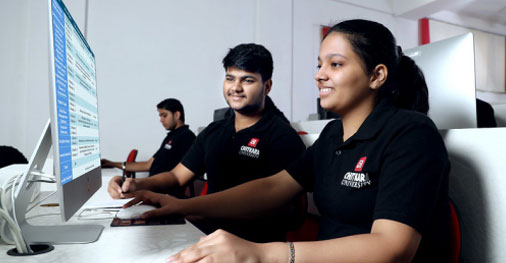
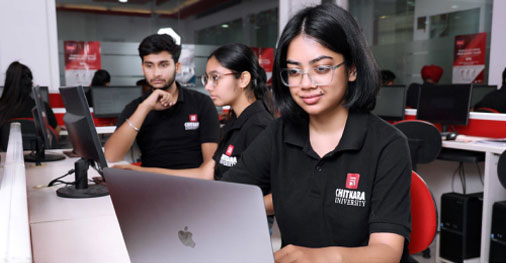
Students will gain hands-on experience by working on real-world projects in state-of-the-art laboratories, using the latest tools and technologies. These labs provide an opportunity to apply theoretical knowledge to practical scenarios, preparing students for a variety of roles in the tech industry.

Career-Ready Skills

The program equips students with a broad set of technical skills, including programming, system design, software development, and problem-solving. Graduates are prepared to meet the evolving demands of the technology sector, excel in emerging technologies, and contribute to innovation in IT solutions.

Industry-Endorsed Specialisations

After the second year, students can select from a variety of industry-endorsed specialisations. These specialisations are crafted in collaboration with leading industry experts, ensuring that students acquire highly sought-after skills that are directly applicable to today’s competitive tech landscape.

Computer Science & Engineering Specialisations

We offer more than one path to your goal as our Computer Science Engineering graduates our able to choose their specialisation after the end of 2nd Year once they have mastered the basic computing fundamentals.

Full Stack Development

Full Stack Development is at the heart of modern software engineering, enabling developers to create dynamic, responsive, and scalable applications. This program provides expertise in both front-end and back-end technologies, database management, cloud integration, and DevOps, equipping students with the comprehensive skill set required to meet the increasing demand for web developers in today’s fast-paced tech landscape.

Read More

Industry Connect & Opportunities

The program benefits from partnerships with leading tech firms, where workshops, boot camps, and internships are organised to enhance coding proficiency. These collaborations ensure that students are exposed to the latest technologies and best practices in software development, providing them with industry-ready skills and practical experience to tackle real-world challenges in application development.

Program Highlights

  • Comprehensive Stack Training: Covers front-end (HTML, CSS, JavaScript, React), back-end (Node.js, Express), and database management (MongoDB, SQL).
  • Hands-on Capstone Projects: Real-world projects on web, mobile, and cloud-based application development.
  • Agile & DevOps Integration: Exposure to CI/CD, Git version control, automated testing, and cloud deployment.
  • Industry Collaboration: Workshops and bootcamps with leading tech firms to enhance coding proficiency.
  • Cutting-Edge Technologies: Training in microservices architecture, API development, and serverless computing.

Career Prospects

Graduates can secure roles in IT firms, startups, and multinational corporations focused on software development. Potential roles include:

  • Full-Stack Developer
  • Back-End Engineer
  • Mobile App Developer
  • Web Developer
  • Front-End Developer
  • DevOps Engineer

Cyber Security

As industries digitise at an unprecedented rate, cyber security has become a critical concern globally. This program provides students with advanced knowledge in cyber security, digital forensics, risk management, and ethical hacking, ensuring they are prepared to combat evolving cyber threats. With growing demand for cyber security professionals, graduates play a vital role in protecting sensitive data and systems.

Read More

About Quick Heal Academy

Quick Heal Academy, a leading provider in cyber security education, has partnered with this program to offer students a unique blend of industry insights and practical training. Quick Heal is known for its innovative antivirus and internet security solutions and provides students access to real-world case studies, cybersecurity tools, and certifications that give them a competitive edge in the cyber security field.

Program Highlights

  • Industry-Aligned Curriculum: Developed in partnership with Quick Heal Academy, integrating real-world cyber security scenarios and case studies.
  • Advanced Tools & Techniques: Training in ethical hacking, penetration testing, cryptography, and digital forensics.
  • Practical Exposure: Hands-on experience with live cyberattack simulations and security infrastructure development.
  • Legal & Compliance Training: Understanding of cyber laws, policies, and regulatory frameworks globally.
  • Certifications & Workshops: Opportunities to earn industry-recognised certifications from global security organisations.

Career Prospects

Graduates can pursue careers in cyber Security firms, government agencies, financial institutions, and tech companies, working in security operations, cyber risk analysis, and digital forensics. Potential roles include:

  • Cyber Security Specialist
  • Security Architect
  • Risk Analyst
  • Cyber Forensics Solutions Architect
  • Ethical Hacker
  • Security Software Developer
Data Science & Analytics

In today’s data-driven economy, organisations need skilled professionals who can derive actionable insights from vast datasets. This program offers students in-depth training in data science, artificial intelligence, machine learning, and big data analytics. Graduates are equipped to tackle complex data challenges and unlock valuable insights that drive business strategy and innovation in numerous sectors.

Read More

Industry Connect & Opportunities

This program has collaborated with multiple industry leaders in data science and analytics to provide students with the latest tools and frameworks. Through live projects, internships, and case studies, students engage directly with industry experts, gaining invaluable hands-on experience that makes them well-equipped to meet the demands of a data-driven world.

Program Highlights

  • Industry-Relevant Curriculum: Covers predictive analytics, data visualisation, and business intelligence using tools like Python, R, and SAS.
  • Hands-on Training: Practical exposure through live projects, internships, and case studies in partnership with industry leaders.
  • Machine Learning & AI: Training in cutting-edge technologies, including deep learning, neural networks, and natural language processing.
  • Cloud & Big Data Integration: Understanding distributed computing frameworks like Hadoop and cloud-based analytics platforms.
  • Capstone Projects: Real-world data science applications across domains like finance, healthcare, and e-commerce.

Career Prospects

Graduates can work in sectors such as banking, healthcare, e-commerce, and consulting, analysing data trends to drive business growth. Potential roles include:

  • Data Analyst
  • Business Intelligence Expert
  • Machine Learning Engineer
  • Big Data Analyst
  • Data Scientist
  • AI/Deep Learning Engineer
Cloud Computing with AWS

Cloud computing is reshaping IT infrastructure, offering businesses flexibility, scalability, and cost-efficiency. This program, developed in collaboration with AWS, provides students with hands-on experience in cloud architecture, virtualisation, and enterprise application deployment. With the increasing adoption of cloud solutions by companies worldwide, graduates are well-positioned to meet the demand for cloud professionals in a rapidly expanding field.

Read More

About AWS

Amazon Web Services (AWS) is a leader in cloud computing solutions, providing a wide range of services that help companies scale and innovate. Through this collaboration, students get access to AWS Educate, resources, industry certifications, and expert-led training that enables them to excel in cloud computing and virtualisation, making them highly sought after by employers in the tech industry. Additionally, students have the opportunity for internships with AWS partners, gaining direct industry exposure.

Program Highlights

  • AWS Collaboration: Direct access to AWS Educate resources, industry certifications, and expert-led training sessions.
  • Cloud Infrastructure Mastery: Hands-on experience in designing, deploying, and managing cloud solutions using AWS, Azure, and Google Cloud.
  • Security & Compliance: Training in cloud security protocols, risk mitigation, and compliance frameworks.
  • DevOps & Automation: Focus on CI/CD pipelines, Infrastructure as Code (IaC), and containerisation using Kubernetes & Docker.
  • Real-World Applications: Industry-driven projects and internships to develop practical expertise in cloud ecosystems.

Career Prospects

Graduates are equipped for roles in cloud service providers, IT consulting firms, and multinational corporations leveraging cloud solutions. Potential roles include:

  • Cloud Solutions Architect
  • Cloud Security Specialist
  • DevOps Engineer

  • Virtualisation Engineer
  • Cloud System Administrator
  • Enterprise Cloud Consultant
Game Design & Technology

The gaming industry is expanding rapidly, creating significant demand for skilled professionals in game design and development. This program combines creativity with technical expertise, covering areas such as game programming, virtual reality (VR), and augmented reality (AR). Graduates will be well-prepared to enter this thriving industry, developing innovative, interactive experiences for global audiences.

Read More

Industry Connect & Opportunities

The program includes collaborations with leading gaming studios and entertainment technology companies to offer students real-world exposure. Workshops, game jams, and guest lectures from industry veterans, along with internship opportunities, ensure students stay ahead of the curve in game design, development, and immersive technologies. These industry engagements provide students with the chance to work on live projects and gain invaluable experience, setting them up for success in the gaming industry.

Program Highlights

  • Comprehensive Game Development Curriculum: Covers game engines like Unity and Unreal Engine, along with programming in C++ and Python.
  • VR & AR Integration: Training in developing immersive experiences using VR/AR tools and technologies.
  • Cross-Platform Development: Learn to build games for PC, mobile, console, and cloud gaming platforms.
  • Industry Exposure: Guest lectures, game jams, and workshops with gaming industry veterans.
  • Capstone Game Project: Hands-on project where students design, prototype, and develop a fully functional game.

Career Prospects

Graduates can find opportunities in gaming studios, animation firms, and entertainment technology companies, working on game development, simulations, and interactive media. Potential roles include:

  • Game Developer
  • AR/VR Developer
  • Game Designer
  • Unity/Unreal Engine Developer
  • Game Tester
  • 3D Modelling & Animation Specialist
Mobile App Development

The mobile app industry is evolving rapidly, driving the need for skilled professionals in app design and development. This program blends creativity with technical proficiency, covering key areas such as iOS App development, user experience (UX) design, and emerging technologies like artificial intelligence (AI). Graduates will be well-equipped to enter this dynamic field, building innovative, user-centric applications that enhance digital experiences for global audiences.

Read More

Industry Connect & Opportunities

The program offers students hands-on experience through collaborations with leading tech companies and app development firms. Students benefit from workshops, app development sprints, and guest lectures from industry experts, gaining real-world insights into mobile application development. Internship opportunities with top-tier companies provide invaluable industry exposure, allowing students to work on live projects and develop innovative solutions for modern app challenges. This industry-driven approach ensures that graduates are prepared to meet the demands of a rapidly evolving mobile app market.

Program Highlights

  • Comprehensive App Development Curriculum: Designed in collaboration with Apple, the curriculum immerses students in the complete app development lifecycle, from ideation to deployment.
  • Swift Fundamentals & UI Development: Master core Swift programming skills and create intuitive user interfaces using UIKit and other Apple technologies.
  • Cross-Platform Development: Gain proficiency in developing apps for iOS, Android, and hybrid platforms, ensuring versatility in the job market.
  • App Design and Prototyping: Develop user-friendly prototypes using industry-standard tools like Figma and Keynote.
  • Design Thinking & Problem-Solving: Apply creative problem-solving techniques to address real-world challenges, using Apple’s design-thinking methodology.
  • Team-Based App Development: Collaborate with peers to design and develop apps that tackle social, cultural, and business challenges.

Career Prospects

Graduates can thrive in the rapidly growing app development industry. With strong technical expertise and industry exposure, they can secure roles in top tech firms, startups, and multinational companies, working on innovative mobile applications across various sectors. Potential roles include:

  • iOS Developer
  • Android Developer
  • Mobile App Designer
  • Software Engineer
  • UI/UX Designer
  • Mobile Application Tester

An Integrated Learning Approach

Chitkara University’s 4-year B.E. program in Computer Science & Engineering is designed for innovative students aiming to revolutionise the tech world. With specialisations like Full Stack Development, Cybersecurity, Data Science, Cloud Computing, Game Design, and iOS App Development, this program prepares students to be the architects of tomorrow’s technological advancements.

Experiential Learning

At Chitkara University, learning goes beyond the classroom. Students actively engage in several hands-on projects, coding challenges, and industry simulations, helping them bridge the gap between theory and real-world applications, making them job-ready with practical skills that employers seek.

Master In-Demand Skills

Our specialised CSE programs equip students with advanced skills in Full Stack Development, Cybersecurity, Data Science, Cloud Computing, Game Design, and iOS App Development, fostering problem-solving abilities, innovation, and technical expertise to design and optimise high-impact solutions for the future.

Applied Academic Methodology

Chitkara University’s CSE programs combine academic rigour with practical experience. Through coding competitions, hackathons, and internships, students gain industry exposure, honing their technical abilities while fostering the skills necessary to thrive in the competitive tech industry.

Lead the Emerging Tech Industry

Our CSE programs provide specialised mentorship in emerging tech fields, preparing students for leadership roles. With access to advanced labs and strong industry connections, students stay ahead of technological trends, positioning themselves for global opportunities in the digital economy.

Career Opportunities

B.E. in Computer Science & Engineering opens doors to exciting career opportunities across industries, preparing graduates for roles in software development, cloud solutions, AI, Cyber Security, and cutting-edge technological innovation.

  • Software Developer
  • Systems Architect
  • Database Administrator
  • Application Developer
  • Cloud Solutions Engineer

  • Cyber Security Specialist
  • Data Scientist
  • Artificial Intelligence Engineer

Campus Recruitment

Our program offers placement opportunities with leading companies, including tech giants, innovative startups, and organisations specialising in AI-driven solutions, ensuring graduates excel in dynamic and technology-focused roles.

  • acenture logo
  • adobe logo
  • amazon logo
  • Capgemini logo
  • Cisco logo
  • Congnizant logo
  • Dell logo
  • deloitte logo
  • Eclerx logo
  • Evalue Logo
  • Ernst & Young - EY logo
  • Google logo
  • HCL logo
  • Highradius Logo
  • HP Logo
  • IBM logo
  • Infosys logo
  • KPMG logo
  • LT logo
  • Microsoft logo
  • Oracle Logo
  • persistent logo
  • PWC logo
  • rippling Logo
  • Samsung Logo
  • SAP Logo
  • Tata Logo
  • Tech Mahindra Logo
  • Toshiba Logo
  • wipro logo
  • WNS logo
  • Zomato Logo

The Next Steps

The steps you take today shape your future. At Chitkara University, we empower bright minds with strong fundamentals, a global perspective, and leadership skills to make a meaningful change in the world.

Frequently Asked Questions

About the Program
Admissions Process
Eligibility & Requirements
Fee Structure & Scholarships
Specialisations & Curriculum
Industry Exposure & Internships
Placements & Career Opportunities

Campus Life & Student Support
Faculty & Teaching Methodology
Global Opportunities & Dual Degrees
Infrastructure & Labs
Location & Accessibility
Why Choose Chitkara University?
Parent/Guardian Queries
Post-Graduation Pathways (MS, MTech, MBA, etc.)
FAQs for NRI/International Students
1. What is the B.Tech/B.E. in Computer Science & Engineering at Chitkara University?

Chitkara University’s 4-year B.Tech/B.E. in Computer Science & Engineering (CSE) Program is an industry-aligned program that blends foundational computer science principles with advanced training in modern technologies. It is designed to prepare students for dynamic roles in software development, cloud computing, cybersecurity, and data analytics, making it one of the most in-demand B.Tech CSE courses in India.

2. What makes this B.Tech CSE course different from others?

Unlike many traditional B.Tech computer science programs, this course emphasises practical learning, interdisciplinary projects, and industry-endorsed Specialisations. From the third year, students can specialise in areas like Full Stack Development, Cyber Security, Cloud Computing, Data Science & Analytics, Game Design, and Mobile App Development— making it a flexible and future-focused CSE in engineering program.

3. What subjects are taught in the Computer Science Engineering program?

The curriculum includes:

  • Core Subjects: Data Structures, Algorithms, Operating Systems, Database Management Systems, Software Engineering
  • Advanced Technologies: Cloud Computing, Cyber Security, AI & ML, Big Data, and Distributed Systems
  • Development Skills: Full Stack Web & Mobile App Development, UI/UX Design, Object-Oriented Programming

This structure makes it one of the most comprehensive computer science B.Tech courses available today.

4. What is the structure and duration of the B.Tech CSE course?

The program is divided into 8 semesters across 4 years. Students spend the first two years mastering core concepts, followed by customised Specialisation tracks 3rd year onwards and a 6–12 month industrial internship, making it an ideal B.Tech in CSE for hands-on learners.

5. What kind of projects do students work on during the course?

Students build:

  • Web and mobile applications
  • Secure cloud infrastructure
  • Game prototypes using Unity/Unreal
  • AI-driven tools and data dashboards
  • Capstone projects and Hackathons provide a platform to solve real-world problems using learned technologies.
6. How does Chitkara University ensure the program stays industry-relevant?

The curriculum is co-designed with leading industry partners like AWS, Apple, Quick Heal, and game development studios. Students participate in bootcamps, internships, guest lectures, and live projects, making this B.Tech in computer science course directly aligned with employer needs.

7. Which skills will students gain through this B.E. in Computer Science course?

Graduates of this B.E. Computer Science program will master:

  • Programming & system design
  • Full-stack development and DevOps
  • Cybersecurity tools and ethical hacking
  • Data analytics and cloud deployment
  • Agile project management and cross-platform app development
8. What career options are available after completing the B.Tech CSE program?

This B.Tech Computer science and engineering course opens career paths in:

  • Software Development & Product Engineering
  • Cyber Security & Ethical Hacking
  • Data Science & Business Intelligence
  • Game & App Development
  • Cloud Solutions Architecture
  • Graduates are recruited by top-tier companies and startups across tech, finance, healthcare, and consulting
9. Does this program support innovation and entrepreneurship?

Yes, through Chitkara University’s innovation hubs, startup incubators, and interdisciplinary collaborations, students interested in launching their own tech ventures get access to mentoring, funding opportunities, and real-world prototyping environments.

10. Is this B.Tech/B.E. program AICTE and UGC approved?

Yes, the B.Tech in Computer Science Engineering at Chitkara University is AICTE-approved and UGC-recognised, ensuring eligibility for higher education, government jobs, and global career pathways.

1. How can I apply for B.E. programs at Chitkara University?

You can apply either online through the official admissions portal or offline by obtaining printed application forms from authorised bookstores.

To find the nearest bookstore, check the locations here.

2. Is the JEE Main score required during the application process?

Yes, a valid JEE Main 2026 (January/April) score is mandatory for all B.E. applicants. You must upload your scorecard while applying or submit it as soon as it is released.

3. What are the steps involved in the admission process?

The B.E. admission process includes:

  • Online application submission
  • Document verification
  • Evaluation of JEE Main scores
  • Counselling and seat allocation
  • Fee payment and enrolment confirmation
4. Is there an offline mode for admission at Chitkara University?

While the process is primarily online, offline support is available at designated Chitkara University Admission Offices and regional counselling centres.

5. What documents are required at the time of admission?

Applicants must submit:

  • Class 10 and 12 mark sheets
  • JEE Main scorecard
  • Passport-sized photographs
  • ID proof
  • Migration/Transfer certificate (if applicable)

Make sure your files are clear and submitted in PDF or JPEG format.

6. When do admissions typically open and close for B.E. programs?

Admissions generally begin in January and continue through June–July, depending on JEE Main result timelines and seat availability.

7. Can I edit the application form after submission?

Yes, limited edits can be made before the final submission deadline. For changes, contact the admissions helpline or visit the official portal.

1. What are the eligibility criteria for B.E. programs at Chitkara University?

To be eligible for any B.E. program, candidates must have:

  • Passed Class XII (10+2) with a minimum aggregate of 60%, or secured 60% in Physics, Chemistry, and Mathematics individually
  • Appeared in JEE-Main 2026 (January or April attempt)

This applies to all engineering programs, including CSE and CSE specialisations, Civil, Mechanical, ECE, Mechatronics, Global Specialisations, etc.

2. Is a valid JEE Main score mandatory for admission?

Yes, a valid JEE Main 2026 (January/April) score is mandatory for all B.E. applicants. You must upload your scorecard while applying or submit it as soon as it is released, regardless of the specialisation.

3. Is there a fixed JEE Main cutoff for engineering admissions?

No fixed cut-off is declared. However, cut-offs vary each year depending on seat availability and the number of applicants. Higher JEE scores improve chances of admission.

4. Are diploma holders eligible for lateral entry into B.E. programs?

Yes, diploma holders are eligible for lateral entry into B.E. programs at Chitkara University. However, admissions are subject to seat availability, and candidates are encouraged to apply early due to limited intake in lateral entry seats.

5. Are there age or subject prerequisites?

Yes, students must meet standard AICTE guidelines for undergraduate engineering, including:

  • Minimum age of 17 years
  • Compulsory subjects in Class XII: Physics, Chemistry, Mathematics
6. Are international boards like IB or Cambridge A-Level accepted?

Yes, Chitkara University accepts equivalent qualifications from recognised international boards such as IB and Cambridge A-Level, provided applicants have studied Physics, Chemistry, and Mathematics and meet the minimum aggregate score criteria as specified for the program.

1. What is the annual fee for B.E. programs at Chitkara University?

The annual fee for B.E. programs at Chitkara University varies by specialisation and includes tuition, lab access, digital infrastructure, and university services.

To view the detailed and updated fee structure, please visit:
https://www.chitkara.edu.in/admissions/

2. Are merit-based scholarships available for engineering students?

Merit-based scholarships are currently not available for engineering students at Chitkara University. However, students can explore other financial support options or schemes offered through government bodies or external agencies, if eligible.

3. Can students apply for education loans to cover tuition?

Yes, students can apply for education loans to cover tuition fees. While the application must be initiated by the student, Chitkara University provides full assistance in furnishing the necessary documents required by the bank or financial institution.

4. Does Chitkara University offer fee waivers for economically weaker students?

Chitkara University does not currently offer specific fee waivers for economically weaker students. However, the university maintains a competitive and transparent fee structure, ensuring access to quality education at a reasonable cost.

5. Do global or international engineering programs have different fee structures?

Yes, Global programs such as those with Deakin University or Arizona State University have a separate fee structure that includes international credits and transfer costs.

1. What engineering specialisations are offered at Chitkara University?

Chitkara University offers a wide range of B.E. Specialisations, including:

2. Is the curriculum aligned with current industry standards?

Yes, the curriculum is co-developed with industry leaders like Microsoft and ARAI, and is updated regularly to reflect emerging technologies and market needs.

3. What is the academic structure of the B.E. program at Chitkara University?

The program follows a 4-year, 8-semester model, with foundational engineering courses in the early semesters and specialised modules and electives in the later years.

4. When do students start choosing their Specialisation or electives?

From the 3rd year onward, students can select stream-specific electives, allowing them to tailor their academic path based on career goals and interests.

5. Are interdisciplinary electives available for engineering students?

Yes, students can take electives across domains such as AI, cloud computing, robotics, project management, and more, promoting cross-functional learning.

6. How is hands-on learning integrated into the curriculum?

Each semester includes lab work, industry projects, and real-world case studies, ensuring students get practical exposure alongside theoretical understanding.

7. Does Chitkara University offer global curriculum tracks for engineering?

Yes, through partnerships with Arizona State University and Deakin University, students can access international curriculum frameworks and credit transfer pathways.

1. Are internships mandatory in the B.E. engineering program at Chitkara University?

Yes, internships are a compulsory, credit-based component of the B.E. curriculum and play a vital role in bridging classroom learning with industry experience.

2. What kind of companies offer internships to Chitkara University engineering students?

Students receive internships at leading companies like Microsoft, Infosys, Wipro, TCS, Zscaler, and various domain-specific startups and innovation labs.

3. When do students begin industry exposure during the course?

From the second year onwards, students are involved in live industry projects, case studies, and mentor-led workshops integrated into the academic structure.

4. Are real-world projects included in the engineering curriculum?

Yes, every student works on live projects, industry-assigned tasks, and problem-solving simulations, often guided by external mentors from partner companies.

5. Do engineering students attend industry visits and guest sessions?

Yes, the university organises regular industrial visits, bootcamps, webinars, and guest lectures by industry leaders, exposing students to current trends and expectations.

6. Are internship opportunities available for all engineering branches?

Yes, every engineering discipline — CSE and CSE specialisations, Civil, Mechanical, ECE, Mechatronics, etc. — has dedicated internship support based on its industry relevance.

7. Is there support in finding and applying for internships?

Yes, the Career Development Cell helps students with internship matching, application guidance, resume prep, and industry mentoring throughout the process.

1. What is the placement record for engineering students at Chitkara University?

Chitkara University consistently achieves 95%+ placement rates across engineering branches, with students placed in top companies both in India and internationally.

2. Which companies recruit engineering graduates from Chitkara University?

Leading companies like Microsoft, Deloitte, Infosys, Cognizant, Wipro, Amazon, Zscaler, and HCL regularly recruit B.E. graduates from Chitkara University.

3. Are international placement opportunities available?

Yes, high-performing students receive offers from multinational companies with placements in countries such as the USA, Germany, and the Middle East.

4. What kind of placement training is offered to students?

Students undergo a comprehensive placement training program that includes:

  • Aptitude and reasoning practice
  • Soft skills and communication workshops
  • Coding and technical assessments
  • Mock interviews and resume building
5. Is placement support available for all engineering branches?

Yes, every B.E. specialisation — from CSE to Mechatronics and Civil — receives equal placement support through Chitkara University’s centralised career development cell.

6. Does the university host exclusive placement drives or job fairs?

Yes, Chitkara University conducts exclusive on-campus placement drives, pool drives, and virtual hiring sessions, connecting students with over 300+ national and global recruiters.

7. What roles or domains do engineering students typically get placed in?

Students secure roles in software development, AI & ML, cybersecurity, data science, embedded systems, civil construction, core engineering, and consulting, among others.

1. What is campus life like at Chitkara University for engineering students?

Campus life at Chitkara University is dynamic and student-centred, offering a balance of academics, co-curricular activities, sports, clubs, and wellness initiatives that create a holistic learning environment.

2. Are there student clubs and societies on campus?

Yes, Chitkara University has over 50+ student clubs and societies for music, dance, drama, coding, robotics, entrepreneurship, design, and more, encouraging creativity and leadership.

3. Are there regular cultural and technical events for students?

Yes, events like Algorithm (tech fest), Blood Donation Camps, Hackathons, and Cultural Fests are organised throughout the year to foster engagement and innovation.

4. Does the university offer mental health and wellness support?

Yes, a dedicated Student Wellness Cell provides counselling services, stress management workshops, and emotional support for student wellbeing.

5. Is there a mentorship system in place for academic and personal guidance?

Yes, every student is assigned a faculty mentor who regularly tracks academic progress and offers career and personal guidance.

6. What kind of sports and fitness facilities are available?

The campus includes indoor and outdoor sports complexes, a gymnasium, yoga zones, and regular access to sports tournaments and recreational facilities.

7. Are student support services available beyond academics?

Yes, Chitkara University provides career counselling, language labs, digital skill training, placement prep, and personality development programs.

8. How inclusive and diverse is the student community?

Chitkara University promotes an inclusive campus with students from all over India and abroad, celebrating multi-cultural events, international days, and diversity programs.

1. Who teaches the engineering programs at Chitkara University?

Engineering programs at Chitkara University are taught by a blend of experienced faculty, industry professionals, and international guest lecturers who bring both academic depth and real-world expertise to the classroom.

2. Does Chitkara University follow a practical-based learning model?

Yes, Chitkara University uses a Project-Based Learning (PBL) approach that emphasises hands-on experience, real-world case studies, and industry-relevant problem-solving.

3. How is the teaching approach different from traditional engineering colleges?

Chitkara University combines classroom theory with lab work, live projects, simulations, and industry mentorship, preparing students for both academic and professional success.

4. Are faculty members involved in research and innovation?

Yes, many faculty members are active researchers with publications in international journals and are part of research initiatives under CURIN (Chitkara University Research and Innovation Network).

5. Do students get to work with faculty on live or funded projects?

Yes, students can collaborate with faculty on government-funded projects, industry-sponsored research, and startup incubations, enhancing practical exposure.

6. Are digital tools and platforms used in teaching?

Yes, Chitkara University uses smart classrooms, a Learning Management System (LMS), virtual labs, and remote experimentation tools to deliver an interactive and flexible learning experience.

7. Is peer learning and mentorship encouraged in the academic setup?

Yes, Mentor-mentee models, group projects, and cross-disciplinary workshops encourage peer collaboration and guided learning under faculty supervision.

1. Does Chitkara University offer global study programs for engineering students?

Yes, Chitkara University has academic tie-ups with top universities in countries like Canada, Australia, Germany, and the UK, enabling students to participate in semester exchange, summer schools, and global research projects.

2. What is the semester exchange program at Chitkara University?

Through international collaborations, eligible students can spend a semester abroad at partner universities, earning transferable credits while experiencing global academic exposure.

3. Are dual-degree options available for engineering students?

Yes, Chitkara University offers dual-degree or joint-degree pathways in collaboration with select global universities. Students complete part of their program in India and the rest at the partner university abroad, earning degrees from both institutions.

4. Which global engineering programs are available at Chitkara University?

Chitkara University offers:

  • Computer Science & Technology with Arizona State University (USA)
  • Software Engineering with Deakin University (Australia)
  • Artificial Intelligence & Machine Learning with Deakin University (Australia)

These are integrated international programs with advanced curriculum and credit articulation.

5. Can students pursue international internships through the university?

Yes, Chitkara University’s global partnerships provide access to international internship opportunities through MoUs, helping students work with startups, research centres, and corporations abroad.

6. Is there any support for visas and travel during international programs?

Yes. The International Relations Office at Chitkara University assists students with visa documentation, travel planning, and onboarding for their academic stays overseas.

7. How does global exposure benefit engineering students?

Global programs enhance cross-cultural learning, build international networks, improve language and collaboration skills, and increase career opportunities in global companies.

1. What types of labs are available for engineering students at Chitkara University?

Chitkara University offers specialised labs for every major engineering stream, including:

  • Artificial Intelligence & Data Science Labs
  • CAD/CAM and Simulation Labs
  • Robotics and Mechatronics Labs
  • IoT, Embedded Systems, and Electronics Labs
  • High-Performance Computing (HPC) Labs
2. Are the labs equipped with modern tools and real-world simulation platforms?

Yes, all labs feature updated hardware, industry-grade software suites, and tools aligned with global engineering standards, such as MATLAB, AutoCAD, Ansys, TensorFlow, Raspberry Pi kits, and Microsoft Azure platforms.

3. Do CSE and AI & ML students have access to advanced computing infrastructure?

Yes, students in AI & ML and CSE programs work with GPU-enabled systems, cloud computing platforms, and dedicated machine learning labs to run models and algorithms in real-time.

4. Are there dedicated labs for Mechanical, Civil, and ECE streams?

Yes, engineering branches like Mechanical, Civil, and ECE have access to thermodynamics labs, structural analysis labs, circuits & systems labs, and microprocessor labs, tailored to their core requirements.

5. Is the university campus fully Wi-Fi enabled?

Yes, the entire campus - including hostels, academic blocks, labs, and open areas - is covered by high-speed Wi-Fi to support seamless learning and digital collaboration.

6. What digital learning infrastructure is available at Chitkara University?

Chitkara University provides tech-enabled smart classrooms, virtual labs, a cloud-based LMS, and access to online digital libraries and e-journals to support blended learning.

7. How often is lab equipment upgraded?

Lab tools and software are regularly updated to keep pace with industry changes and syllabus revisions, ensuring students always work with the latest-generation technology.

8. Can students access labs after class hours?

Yes, with faculty permission or during guided sessions, students can access labs for projects, prototyping, or research beyond standard academic hours.

1. Where is Chitkara University located?

Chitkara University’s Punjab campus is located on the Chandigarh–Patiala National Highway (NH-64) near Rajpura, Punjab - easily accessible from major North Indian cities.

2. Is Chitkara University easily accessible by road, rail, and air?

Yes, the campus is well-connected:

  • By road: Located directly on NH-64.
  • By rail: 15–20 minutes from Rajpura Railway Station.
  • By air: Approximately 40–50 minutes from Chandigarh International Airport.
3. How far is the campus from Chandigarh city?

The campus is just 35 km from Chandigarh, approximately a 45-minute drive, and is connected by NH-64 and Chandigarh–Ambala Highway.

4. Are there transport facilities for students?

Yes, Chitkara University offers student bus facilities, and local options like auto-rickshaws, private cabs, and app-based services (Ola/Uber/inDrive) operate in the area.

5.Is the location safe and student-friendly?

Yes, the university is in a gated, semi-urban area with secure surroundings, 24x7 surveillance, and proximity to hospitals, police stations, and other public services.

6. Are there accommodations nearby for visiting parents or guardians?

Yes, Hotels and serviced apartments are available within 10–15 minutes from campus in Zirakpur, Rajpura, and Chandigarh.

1. What makes Chitkara University’s engineering programs different from others?

Chitkara University offers industry-aligned engineering programs, global academic partnerships, and strong placement outcomes - all designed to meet real-world demands and future skill trends.

2. Which unique specialisations are available in engineering at Chitkara University?

Specialisations include:

  • CSE in AI & Future Technologies
  • CSE in AI & ML with Microsoft
  • Computer Science & Engineering with specialisations: Full Stack Development/ Cyber Security/ Data Science & Analytics/ Cloud Computing with AWS/ Game Design & Technology/ Mobile App Development
  • Civil Engineering with AI & ML
  • Electrical Engineering with Minor in CSE
  • Mechanical Engineering with Minor in CSE
  • Automobile Engineering with ARAI

These are not commonly available in most traditional universities.

3. What global engineering programs are offered at Chitkara University?

Chitkara University offers globally recognised pathways, including:

  • Computer Science & Technology with Arizona State University (ASU)
  • Software Engineering with Deakin University (Australia)
  • Artificial Intelligence & Machine Learning with Deakin University

These enable credit transfer, dual degrees, and international exposure.

4. Are Chitkara University’s programs developed in collaboration with industry leaders?

Yes, programs are co-developed with Microsoft and ARAI, integrating live projects, certifications, and real-time problem-solving.

5. How does Chitkara University prepare students for future technologies?

The curriculum is constantly updated with input from industry. Specialisations in AI and ML, IoT, robotics, cybersecurity, and future technologies prepare students for the Next-Gen workforce.

6. Do students get global exposure during the engineering program?

Yes, students can opt for semester exchange, dual-degree options, and international internships through partnerships with global universities.

7. Is entrepreneurship encouraged in the engineering ecosystem?

Yes, through centres like CURIN and CEED, students can incubate ideas, get mentorship, and pitch for funding to launch their startups.

8. What role does placement support play in differentiating Chitkara University?

Chitkara University centralised placement cell works with 300+ recruiters, including global tech firms, providing profile mapping, skill development and mock interviews for all branches.

1. Is Chitkara University safe for students?

Yes, Chitkara University offers a safe and secure campus environment with 24x7 security, CCTV surveillance, biometric entry systems, female wardens for girls hostels, and male wardens for boys hostels—ensuring safety and comfort for all students.

2. How can parents stay informed about their child academic progress?

Parents receive updates through regular mentor calls and academic portals. With a prior appointment, they can also visit the campus and meet the faculty and mentor for academic reports.

3. Are hostels monitored and secured?

Yes, all hostels have round-the-clock surveillance, biometric access, and dedicated wardens to ensure student safety.

4. Can parents communicate with faculty or mentors directly?

Yes, parents can connect with assigned faculty mentors for regular academic and behavioural feedback.

5. Does the university provide emergency contact or medical support?

Yes, a 24x7 medical centre and emergency contact protocols are in place to handle any health or safety issues.

1. What are the higher education options after completing a B.E. at Chitkara University?

After completing a B.E. degree, students can pursue M.Tech, MS abroad, MBA (Tech), or PG diploma programs in emerging technologies and management.

2. Can B.E. graduates apply for MS programs in international universities?

Yes, B.E. graduates from Chitkara University are eligible for MS programs overseas, especially in countries like the USA, Canada, Germany, and Australia, depending on GRE/IELTS scores.

3. Can students switch to management roles by doing an MBA after engineering?

Yes, many B.E. graduates pursue an MBA in Technology Management, Business Analytics, or General Management to move into leadership roles across industries.

4. Are certification programs available after B.E. to boost career prospects?

Yes, students can pursue industry-recognised certifications in AI, cloud computing, cybersecurity, or project management to enhance job readiness.

1. Can international students apply to B.E. programs at Chitkara University?

Yes, international students and NRI candidates can apply to B.E. programs at Chitkara University across all engineering Specialisations.

2. Is there a separate admission process for NRI or international applicants?

Yes, NRI and international students follow a separate admission process that includes academic evaluation, English language proof (if required), and passport or visa verification.

3. Do international or NRI students need to appear for JEE Main?

No, JEE Main is not required for international or NRI applicants. Admissions are based on academic qualifications and eligibility criteria set by the university.

4. What is the fee structure for NRI students at Chitkara University?

NRI students pay international tuition fees in USD or equivalent INR. The detailed fee structure is available in the NRI admissions section on the official website.

5. Does Chitkara University offer visa assistance for international students?

Yes, Chitkara University provides full visa assistance, including admission letters, documentation support, and embassy guidance for international applicants.

6. Is there on-campus support for international or NRI students?

Yes, the International Student Cell at Chitkara University offers on-campus housing, cultural orientation, academic mentoring, and student support services.

About the Program
1. What is the B.Tech/B.E. in Computer Science & Engineering at Chitkara University?

Chitkara University’s 4-year B.Tech/B.E. in Computer Science & Engineering (CSE) Program is an industry-aligned program that blends foundational computer science principles with advanced training in modern technologies. It is designed to prepare students for dynamic roles in software development, cloud computing, cybersecurity, and data analytics, making it one of the most in-demand B.Tech CSE courses in India.

2. What makes this B.Tech CSE course different from others?

Unlike many traditional B.Tech computer science programs, this course emphasises practical learning, interdisciplinary projects, and industry-endorsed Specialisations. From the third year, students can specialise in areas like Full Stack Development, Cyber Security, Cloud Computing, Data Science & Analytics, Game Design, and Mobile App Development— making it a flexible and future-focused CSE in engineering program.

3. What subjects are taught in the Computer Science Engineering program?

The curriculum includes:

  • Core Subjects: Data Structures, Algorithms, Operating Systems, Database Management Systems, Software Engineering
  • Advanced Technologies: Cloud Computing, Cyber Security, AI & ML, Big Data, and Distributed Systems
  • Development Skills: Full Stack Web & Mobile App Development, UI/UX Design, Object-Oriented Programming

This structure makes it one of the most comprehensive computer science B.Tech courses available today.

4. What is the structure and duration of the B.Tech CSE course?

The program is divided into 8 semesters across 4 years. Students spend the first two years mastering core concepts, followed by customised Specialisation tracks 3rd year onwards and a 6–12 month industrial internship, making it an ideal B.Tech in CSE for hands-on learners.

5. What kind of projects do students work on during the course?

Students build:

  • Web and mobile applications
  • Secure cloud infrastructure
  • Game prototypes using Unity/Unreal
  • AI-driven tools and data dashboards
  • Capstone projects and Hackathons provide a platform to solve real-world problems using learned technologies.
6. How does Chitkara University ensure the program stays industry-relevant?

The curriculum is co-designed with leading industry partners like AWS, Apple, Quick Heal, and game development studios. Students participate in bootcamps, internships, guest lectures, and live projects, making this B.Tech in computer science course directly aligned with employer needs.

7. Which skills will students gain through this B.E. in Computer Science course?

Graduates of this B.E. Computer Science program will master:

  • Programming & system design
  • Full-stack development and DevOps
  • Cybersecurity tools and ethical hacking
  • Data analytics and cloud deployment
  • Agile project management and cross-platform app development
8. What career options are available after completing the B.Tech CSE program?

This B.Tech Computer science and engineering course opens career paths in:

  • Software Development & Product Engineering
  • Cyber Security & Ethical Hacking
  • Data Science & Business Intelligence
  • Game & App Development
  • Cloud Solutions Architecture
  • Graduates are recruited by top-tier companies and startups across tech, finance, healthcare, and consulting
9. Does this program support innovation and entrepreneurship?

Yes, through Chitkara University’s innovation hubs, startup incubators, and interdisciplinary collaborations, students interested in launching their own tech ventures get access to mentoring, funding opportunities, and real-world prototyping environments.

10. Is this B.Tech/B.E. program AICTE and UGC approved?

Yes, the B.Tech in Computer Science Engineering at Chitkara University is AICTE-approved and UGC-recognised, ensuring eligibility for higher education, government jobs, and global career pathways.

Admissions Process
1. How can I apply for B.E. programs at Chitkara University?

You can apply either online through the official admissions portal or offline by obtaining printed application forms from authorised bookstores.

To find the nearest bookstore, check the locations here.

2. Is the JEE Main score required during the application process?

Yes, a valid JEE Main 2026 (January/April) score is mandatory for all B.E. applicants. You must upload your scorecard while applying or submit it as soon as it is released.

3. What are the steps involved in the admission process?

The B.E. admission process includes:

  • Online application submission
  • Document verification
  • Evaluation of JEE Main scores
  • Counselling and seat allocation
  • Fee payment and enrolment confirmation
4. Is there an offline mode for admission at Chitkara University?

While the process is primarily online, offline support is available at designated Chitkara University Admission Offices and regional counselling centres.

5. What documents are required at the time of admission?

Applicants must submit:

  • Class 10 and 12 mark sheets
  • JEE Main scorecard
  • Passport-sized photographs
  • ID proof
  • Migration/Transfer certificate (if applicable)

Make sure your files are clear and submitted in PDF or JPEG format.

6. When do admissions typically open and close for B.E. programs?

Admissions generally begin in January and continue through June–July, depending on JEE Main result timelines and seat availability.

7. Can I edit the application form after submission?

Yes, limited edits can be made before the final submission deadline. For changes, contact the admissions helpline or visit the official portal.

Eligibility & Requirements
1. What are the eligibility criteria for B.E. programs at Chitkara University?

To be eligible for any B.E. program, candidates must have:

  • Passed Class XII (10+2) with a minimum aggregate of 60%, or secured 60% in Physics, Chemistry, and Mathematics individually
  • Appeared in JEE-Main 2026 (January or April attempt)

This applies to all engineering programs, including CSE and CSE specialisations, Civil, Mechanical, ECE, Mechatronics, Global Specialisations, etc.

2. Is a valid JEE Main score mandatory for admission?

Yes, a valid JEE Main 2026 (January/April) score is mandatory for all B.E. applicants. You must upload your scorecard while applying or submit it as soon as it is released, regardless of the specialisation.

3. Is there a fixed JEE Main cutoff for engineering admissions?

No fixed cut-off is declared. However, cut-offs vary each year depending on seat availability and the number of applicants. Higher JEE scores improve chances of admission.

4. Are diploma holders eligible for lateral entry into B.E. programs?

Yes, diploma holders are eligible for lateral entry into B.E. programs at Chitkara University. However, admissions are subject to seat availability, and candidates are encouraged to apply early due to limited intake in lateral entry seats.

5. Are there age or subject prerequisites?

Yes, students must meet standard AICTE guidelines for undergraduate engineering, including:

  • Minimum age of 17 years
  • Compulsory subjects in Class XII: Physics, Chemistry, Mathematics
6. Are international boards like IB or Cambridge A-Level accepted?

Yes, Chitkara University accepts equivalent qualifications from recognised international boards such as IB and Cambridge A-Level, provided applicants have studied Physics, Chemistry, and Mathematics and meet the minimum aggregate score criteria as specified for the program.

Fee Structure & Scholarships
1. What is the annual fee for B.E. programs at Chitkara University?

The annual fee for B.E. programs at Chitkara University varies by specialisation and includes tuition, lab access, digital infrastructure, and university services.

To view the detailed and updated fee structure, please visit:
https://www.chitkara.edu.in/admissions/

2. Are merit-based scholarships available for engineering students?

Merit-based scholarships are currently not available for engineering students at Chitkara University. However, students can explore other financial support options or schemes offered through government bodies or external agencies, if eligible.

3. Can students apply for education loans to cover tuition?

Yes, students can apply for education loans to cover tuition fees. While the application must be initiated by the student, Chitkara University provides full assistance in furnishing the necessary documents required by the bank or financial institution.

4. Does Chitkara University offer fee waivers for economically weaker students?

Chitkara University does not currently offer specific fee waivers for economically weaker students. However, the university maintains a competitive and transparent fee structure, ensuring access to quality education at a reasonable cost.

5. Do global or international engineering programs have different fee structures?

Yes, Global programs such as those with Deakin University or Arizona State University have a separate fee structure that includes international credits and transfer costs.

Specialisations & Curriculum
1. What engineering specialisations are offered at Chitkara University?

Chitkara University offers a wide range of B.E. Specialisations, including:

2. Is the curriculum aligned with current industry standards?

Yes, the curriculum is co-developed with industry leaders like Microsoft and ARAI, and is updated regularly to reflect emerging technologies and market needs.

3. What is the academic structure of the B.E. program at Chitkara University?

The program follows a 4-year, 8-semester model, with foundational engineering courses in the early semesters and specialised modules and electives in the later years.

4. When do students start choosing their Specialisation or electives?

From the 3rd year onward, students can select stream-specific electives, allowing them to tailor their academic path based on career goals and interests.

5. Are interdisciplinary electives available for engineering students?

Yes, students can take electives across domains such as AI, cloud computing, robotics, project management, and more, promoting cross-functional learning.

6. How is hands-on learning integrated into the curriculum?

Each semester includes lab work, industry projects, and real-world case studies, ensuring students get practical exposure alongside theoretical understanding.

7. Does Chitkara University offer global curriculum tracks for engineering?

Yes, through partnerships with Arizona State University and Deakin University, students can access international curriculum frameworks and credit transfer pathways.

Industry Exposure & Internships
1. Are internships mandatory in the B.E. engineering program at Chitkara University?

Yes, internships are a compulsory, credit-based component of the B.E. curriculum and play a vital role in bridging classroom learning with industry experience.

2. What kind of companies offer internships to Chitkara University engineering students?

Students receive internships at leading companies like Microsoft, Infosys, Wipro, TCS, Zscaler, and various domain-specific startups and innovation labs.

3. When do students begin industry exposure during the course?

From the second year onwards, students are involved in live industry projects, case studies, and mentor-led workshops integrated into the academic structure.

4. Are real-world projects included in the engineering curriculum?

Yes, every student works on live projects, industry-assigned tasks, and problem-solving simulations, often guided by external mentors from partner companies.

5. Do engineering students attend industry visits and guest sessions?

Yes, the university organises regular industrial visits, bootcamps, webinars, and guest lectures by industry leaders, exposing students to current trends and expectations.

6. Are internship opportunities available for all engineering branches?

Yes, every engineering discipline — CSE and CSE specialisations, Civil, Mechanical, ECE, Mechatronics, etc. — has dedicated internship support based on its industry relevance.

7. Is there support in finding and applying for internships?

Yes, the Career Development Cell helps students with internship matching, application guidance, resume prep, and industry mentoring throughout the process.

Placements & Career Opportunities
1. What is the placement record for engineering students at Chitkara University?

Chitkara University consistently achieves 95%+ placement rates across engineering branches, with students placed in top companies both in India and internationally.

2. Which companies recruit engineering graduates from Chitkara University?

Leading companies like Microsoft, Deloitte, Infosys, Cognizant, Wipro, Amazon, Zscaler, and HCL regularly recruit B.E. graduates from Chitkara University.

3. Are international placement opportunities available?

Yes, high-performing students receive offers from multinational companies with placements in countries such as the USA, Germany, and the Middle East.

4. What kind of placement training is offered to students?

Students undergo a comprehensive placement training program that includes:

  • Aptitude and reasoning practice
  • Soft skills and communication workshops
  • Coding and technical assessments
  • Mock interviews and resume building
5. Is placement support available for all engineering branches?

Yes, every B.E. specialisation — from CSE to Mechatronics and Civil — receives equal placement support through Chitkara University’s centralised career development cell.

6. Does the university host exclusive placement drives or job fairs?

Yes, Chitkara University conducts exclusive on-campus placement drives, pool drives, and virtual hiring sessions, connecting students with over 300+ national and global recruiters.

7. What roles or domains do engineering students typically get placed in?

Students secure roles in software development, AI & ML, cybersecurity, data science, embedded systems, civil construction, core engineering, and consulting, among others.

Campus Life & Student Support
1. What is campus life like at Chitkara University for engineering students?

Campus life at Chitkara University is dynamic and student-centred, offering a balance of academics, co-curricular activities, sports, clubs, and wellness initiatives that create a holistic learning environment.

2. Are there student clubs and societies on campus?

Yes, Chitkara University has over 50+ student clubs and societies for music, dance, drama, coding, robotics, entrepreneurship, design, and more, encouraging creativity and leadership.

3. Are there regular cultural and technical events for students?

Yes, events like Algorithm (tech fest), Blood Donation Camps, Hackathons, and Cultural Fests are organised throughout the year to foster engagement and innovation.

4. Does the university offer mental health and wellness support?

Yes, a dedicated Student Wellness Cell provides counselling services, stress management workshops, and emotional support for student wellbeing.

5. Is there a mentorship system in place for academic and personal guidance?

Yes, every student is assigned a faculty mentor who regularly tracks academic progress and offers career and personal guidance.

6. What kind of sports and fitness facilities are available?

The campus includes indoor and outdoor sports complexes, a gymnasium, yoga zones, and regular access to sports tournaments and recreational facilities.

7. Are student support services available beyond academics?

Yes, Chitkara University provides career counselling, language labs, digital skill training, placement prep, and personality development programs.

8. How inclusive and diverse is the student community?

Chitkara University promotes an inclusive campus with students from all over India and abroad, celebrating multi-cultural events, international days, and diversity programs.

Faculty & Teaching Methodology
1. Who teaches the engineering programs at Chitkara University?

Engineering programs at Chitkara University are taught by a blend of experienced faculty, industry professionals, and international guest lecturers who bring both academic depth and real-world expertise to the classroom.

2. Does Chitkara University follow a practical-based learning model?

Yes, Chitkara University uses a Project-Based Learning (PBL) approach that emphasises hands-on experience, real-world case studies, and industry-relevant problem-solving.

3. How is the teaching approach different from traditional engineering colleges?

Chitkara University combines classroom theory with lab work, live projects, simulations, and industry mentorship, preparing students for both academic and professional success.

4. Are faculty members involved in research and innovation?

Yes, many faculty members are active researchers with publications in international journals and are part of research initiatives under CURIN (Chitkara University Research and Innovation Network).

5. Do students get to work with faculty on live or funded projects?

Yes, students can collaborate with faculty on government-funded projects, industry-sponsored research, and startup incubations, enhancing practical exposure.

6. Are digital tools and platforms used in teaching?

Yes, Chitkara University uses smart classrooms, a Learning Management System (LMS), virtual labs, and remote experimentation tools to deliver an interactive and flexible learning experience.

7. Is peer learning and mentorship encouraged in the academic setup?

Yes, Mentor-mentee models, group projects, and cross-disciplinary workshops encourage peer collaboration and guided learning under faculty supervision.

Global Opportunities & Dual Degrees
1. Does Chitkara University offer global study programs for engineering students?

Yes, Chitkara University has academic tie-ups with top universities in countries like Canada, Australia, Germany, and the UK, enabling students to participate in semester exchange, summer schools, and global research projects.

2. What is the semester exchange program at Chitkara University?

Through international collaborations, eligible students can spend a semester abroad at partner universities, earning transferable credits while experiencing global academic exposure.

3. Are dual-degree options available for engineering students?

Yes, Chitkara University offers dual-degree or joint-degree pathways in collaboration with select global universities. Students complete part of their program in India and the rest at the partner university abroad, earning degrees from both institutions.

4. Which global engineering programs are available at Chitkara University?

Chitkara University offers:

  • Computer Science & Technology with Arizona State University (USA)
  • Software Engineering with Deakin University (Australia)
  • Artificial Intelligence & Machine Learning with Deakin University (Australia)

These are integrated international programs with advanced curriculum and credit articulation.

5. Can students pursue international internships through the university?

Yes, Chitkara University’s global partnerships provide access to international internship opportunities through MoUs, helping students work with startups, research centres, and corporations abroad.

6. Is there any support for visas and travel during international programs?

Yes. The International Relations Office at Chitkara University assists students with visa documentation, travel planning, and onboarding for their academic stays overseas.

7. How does global exposure benefit engineering students?

Global programs enhance cross-cultural learning, build international networks, improve language and collaboration skills, and increase career opportunities in global companies.

Infrastructure & Labs
1. What types of labs are available for engineering students at Chitkara University?

Chitkara University offers specialised labs for every major engineering stream, including:

  • Artificial Intelligence & Data Science Labs
  • CAD/CAM and Simulation Labs
  • Robotics and Mechatronics Labs
  • IoT, Embedded Systems, and Electronics Labs
  • High-Performance Computing (HPC) Labs
2. Are the labs equipped with modern tools and real-world simulation platforms?

Yes, all labs feature updated hardware, industry-grade software suites, and tools aligned with global engineering standards, such as MATLAB, AutoCAD, Ansys, TensorFlow, Raspberry Pi kits, and Microsoft Azure platforms.

3. Do CSE and AI & ML students have access to advanced computing infrastructure?

Yes, students in AI & ML and CSE programs work with GPU-enabled systems, cloud computing platforms, and dedicated machine learning labs to run models and algorithms in real-time.

4. Are there dedicated labs for Mechanical, Civil, and ECE streams?

Yes, engineering branches like Mechanical, Civil, and ECE have access to thermodynamics labs, structural analysis labs, circuits & systems labs, and microprocessor labs, tailored to their core requirements.

5. Is the university campus fully Wi-Fi enabled?

Yes, the entire campus - including hostels, academic blocks, labs, and open areas - is covered by high-speed Wi-Fi to support seamless learning and digital collaboration.

6. What digital learning infrastructure is available at Chitkara University?

Chitkara University provides tech-enabled smart classrooms, virtual labs, a cloud-based LMS, and access to online digital libraries and e-journals to support blended learning.

7. How often is lab equipment upgraded?

Lab tools and software are regularly updated to keep pace with industry changes and syllabus revisions, ensuring students always work with the latest-generation technology.

8. Can students access labs after class hours?

Yes, with faculty permission or during guided sessions, students can access labs for projects, prototyping, or research beyond standard academic hours.

Location & Accessibility
1. Where is Chitkara University located?

Chitkara University’s Punjab campus is located on the Chandigarh–Patiala National Highway (NH-64) near Rajpura, Punjab - easily accessible from major North Indian cities.

2. Is Chitkara University easily accessible by road, rail, and air?

Yes, the campus is well-connected:

  • By road: Located directly on NH-64.
  • By rail: 15–20 minutes from Rajpura Railway Station.
  • By air: Approximately 40–50 minutes from Chandigarh International Airport.
3. How far is the campus from Chandigarh city?

The campus is just 35 km from Chandigarh, approximately a 45-minute drive, and is connected by NH-64 and Chandigarh–Ambala Highway.

4. Are there transport facilities for students?

Yes, Chitkara University offers student bus facilities, and local options like auto-rickshaws, private cabs, and app-based services (Ola/Uber/inDrive) operate in the area.

5.Is the location safe and student-friendly?

Yes, the university is in a gated, semi-urban area with secure surroundings, 24x7 surveillance, and proximity to hospitals, police stations, and other public services.

6. Are there accommodations nearby for visiting parents or guardians?

Yes, Hotels and serviced apartments are available within 10–15 minutes from campus in Zirakpur, Rajpura, and Chandigarh.

Why Choose Chitkara University?
1. What makes Chitkara University’s engineering programs different from others?

Chitkara University offers industry-aligned engineering programs, global academic partnerships, and strong placement outcomes - all designed to meet real-world demands and future skill trends.

2. Which unique specialisations are available in engineering at Chitkara University?

Specialisations include:

  • CSE in AI & Future Technologies
  • CSE in AI & ML with Microsoft
  • Computer Science & Engineering with specialisations: Full Stack Development/ Cyber Security/ Data Science & Analytics/ Cloud Computing with AWS/ Game Design & Technology/ Mobile App Development
  • Civil Engineering with AI & ML
  • Electrical Engineering with Minor in CSE
  • Mechanical Engineering with Minor in CSE
  • Automobile Engineering with ARAI

These are not commonly available in most traditional universities.

3. What global engineering programs are offered at Chitkara University?

Chitkara University offers globally recognised pathways, including:

  • Computer Science & Technology with Arizona State University (ASU)
  • Software Engineering with Deakin University (Australia)
  • Artificial Intelligence & Machine Learning with Deakin University

These enable credit transfer, dual degrees, and international exposure.

4. Are Chitkara University’s programs developed in collaboration with industry leaders?

Yes, programs are co-developed with Microsoft and ARAI, integrating live projects, certifications, and real-time problem-solving.

5. How does Chitkara University prepare students for future technologies?

The curriculum is constantly updated with input from industry. Specialisations in AI and ML, IoT, robotics, cybersecurity, and future technologies prepare students for the Next-Gen workforce.

6. Do students get global exposure during the engineering program?

Yes, students can opt for semester exchange, dual-degree options, and international internships through partnerships with global universities.

7. Is entrepreneurship encouraged in the engineering ecosystem?

Yes, through centres like CURIN and CEED, students can incubate ideas, get mentorship, and pitch for funding to launch their startups.

8. What role does placement support play in differentiating Chitkara University?

Chitkara University centralised placement cell works with 300+ recruiters, including global tech firms, providing profile mapping, skill development and mock interviews for all branches.

Parent/Guardian Queries
1. Is Chitkara University safe for students?

Yes, Chitkara University offers a safe and secure campus environment with 24x7 security, CCTV surveillance, biometric entry systems, female wardens for girls hostels, and male wardens for boys hostels—ensuring safety and comfort for all students.

2. How can parents stay informed about their child academic progress?

Parents receive updates through regular mentor calls and academic portals. With a prior appointment, they can also visit the campus and meet the faculty and mentor for academic reports.

3. Are hostels monitored and secured?

Yes, all hostels have round-the-clock surveillance, biometric access, and dedicated wardens to ensure student safety.

4. Can parents communicate with faculty or mentors directly?

Yes, parents can connect with assigned faculty mentors for regular academic and behavioural feedback.

5. Does the university provide emergency contact or medical support?

Yes, a 24x7 medical centre and emergency contact protocols are in place to handle any health or safety issues.

Post-Graduation Pathways (MS, MTech, MBA, etc.)
1. What are the higher education options after completing a B.E. at Chitkara University?

After completing a B.E. degree, students can pursue M.Tech, MS abroad, MBA (Tech), or PG diploma programs in emerging technologies and management.

2. Can B.E. graduates apply for MS programs in international universities?

Yes, B.E. graduates from Chitkara University are eligible for MS programs overseas, especially in countries like the USA, Canada, Germany, and Australia, depending on GRE/IELTS scores.

3. Can students switch to management roles by doing an MBA after engineering?

Yes, many B.E. graduates pursue an MBA in Technology Management, Business Analytics, or General Management to move into leadership roles across industries.

4. Are certification programs available after B.E. to boost career prospects?

Yes, students can pursue industry-recognised certifications in AI, cloud computing, cybersecurity, or project management to enhance job readiness.

FAQs for NRI/International Students
1. Can international students apply to B.E. programs at Chitkara University?

Yes, international students and NRI candidates can apply to B.E. programs at Chitkara University across all engineering Specialisations.

2. Is there a separate admission process for NRI or international applicants?

Yes, NRI and international students follow a separate admission process that includes academic evaluation, English language proof (if required), and passport or visa verification.

3. Do international or NRI students need to appear for JEE Main?

No, JEE Main is not required for international or NRI applicants. Admissions are based on academic qualifications and eligibility criteria set by the university.

4. What is the fee structure for NRI students at Chitkara University?

NRI students pay international tuition fees in USD or equivalent INR. The detailed fee structure is available in the NRI admissions section on the official website.

5. Does Chitkara University offer visa assistance for international students?

Yes, Chitkara University provides full visa assistance, including admission letters, documentation support, and embassy guidance for international applicants.

6. Is there on-campus support for international or NRI students?

Yes, the International Student Cell at Chitkara University offers on-campus housing, cultural orientation, academic mentoring, and student support services.