
India’s health and wellness sector is growing faster than most people realize. Preventable lifestyle diseases – obesity, diabetes, PCOD, hypertension – now affect hundreds of millions, and qualified nutrition professionals are in short supply relative to the demand. If you have ever considered a career in nutrition, this is probably the most practical moment to act on it.
This guide walks you through exactly how to become a nutritionist in India – from the right qualification path after 12th, to course options, eligibility, the nutritionist vs dietitian distinction most guides skip over, salary expectations, and what specialization actually looks like in practice.
| Quick Facts | Details |
| Field | Nutrition & Dietetics |
| Entry qualification | 10+2 with Science (PCB preferred); some programs open to other streams |
| Primary UG degree | B.Sc. in Nutrition & Dietetics (3–4 years) |
| PG options | M.Sc. Nutrition & Dietetics, PG Diploma in Clinical Nutrition |
| Entry-level salary | ₹2.5 – ₹5.5 LPA |
| Mid-career salary | ₹4 – ₹8 LPA |
| Senior/specialist salary | ₹10 – ₹14 LPA+ |
| Top work settings | Hospitals, sports organizations, corporate wellness, private practice, food industry |
| Professional body | Indian Dietetic Association (IDA) |
Nutritionist vs Dietitian: What Is the Difference?
This is the question most guides avoid, and it matters more than people think. In India, the terms nutritionist and dietitian are often used interchangeably. They are not the same professionally, and the distinction affects your qualification path, your career ceiling, and the work you are legally permitted to do.
A nutritionist provides general guidance on food choices, healthy eating habits, and lifestyle management. The role is less regulated and can be entered through certificate courses, diplomas, or degree programs in nutrition.
A dietitian (specifically a Registered Dietitian or RD) is a clinical professional who holds a recognized degree in nutrition and dietetics, completes a supervised internship, and often registers with the Indian Dietetic Association. Dietitians are qualified to work in hospitals, design medical nutrition therapy for patients, and manage diet protocols for chronic diseases.
| Factor | Nutritionist | Dietitian (RD) |
| Qualification needed | Certificate / Diploma / Degree in Nutrition | Recognized degree + supervised internship |
| Regulation | Less regulated | Registered with IDA or state body |
| Clinical practice | Limited | Full clinical nutrition therapy |
| Hospital roles | Some settings | Most hospitals require RD credential |
| Typical salary range | ₹2.5 – ₹8 LPA | ₹3.5 – ₹14 LPA+ |
If your goal is to work in clinical settings like hospitals, diagnostics, or therapeutic diet management, the dietitian path with a full B.Sc. in Nutrition & Dietetics followed by internship and IDA registration is the route to take. For wellness coaching, sports nutrition, or community nutrition, a nutrition-focused degree or certified course can get you there.
Is a Career in Nutrition Right for You?
A Nutritionist Career Suits You If:
- You are genuinely interested in human health, food science, and how the body works
- You want to work directly with people to improve their health outcomes
- You are comfortable with a science-heavy curriculum at the degree level
- You want a career with both clinical and entrepreneurial pathways
- You are interested in sports, fitness, public health, or food industry careers
It May Not Be the Right Fit If:
- You have no interest in biology, biochemistry, or human physiology
- You are looking for a purely desk-based, non-client-facing role
- You want a field with immediate high earnings without clinical investment
How to Become a Nutritionist in India: Step-by-Step
Step 1: Complete Your 10+2 Education
The standard entry requirement for a B.Sc. in Nutrition & Dietetics is 10+2 with Physics, Chemistry, and Biology (PCB). Minimum marks are typically 50% aggregate, though this varies by institution.
What if you do not have a science background? Some diploma and certificate programs in nutrition accept students from commerce or arts streams. IGNOU’s Diploma in Nutrition and Health Education (DNHE) is one well-known example. However, for a full clinical nutrition degree that opens hospital and research roles, a science foundation is practically necessary. If you are still in Class 11, choosing PCB puts every door open.
Step 2: Choose the Right Nutritionist Course in India
The course you choose determines your qualification ceiling. Here is how the options compare:
| Course Type | Duration | What It Opens |
| Certificate in Nutrition | 3 – 6 months | Wellness coaching, fitness nutrition, online consulting |
| Diploma in Nutrition (e.g., IGNOU DNHE) | 1 year | Community nutrition, NGOs, health education roles |
| B.Sc. in Nutrition & Dietetics | 3 – 4 years | Hospitals, clinical settings, sports nutrition, food industry |
| M.Sc. in Nutrition & Dietetics | 2 years (after UG) | Research, academia, senior clinical roles |
| PG Diploma in Clinical Nutrition | 1 year (after UG) | Specialization for working professionals |
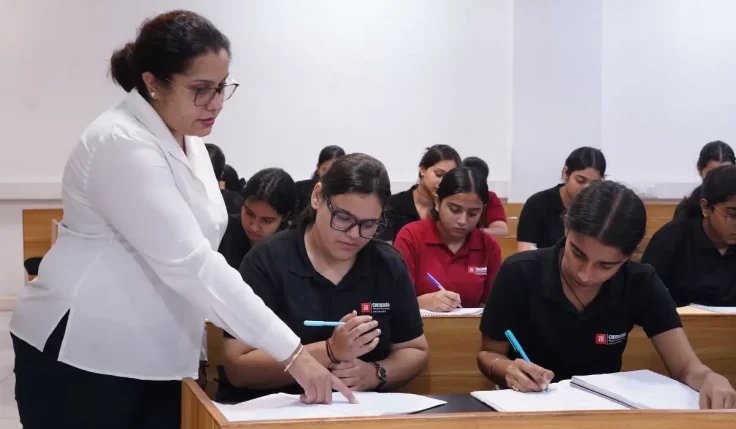
For most students asking how to become a nutritionist in India after 12th, the B.Sc. in Nutrition & Dietetics is the most complete starting point. It covers clinical nutrition, food science, biochemistry, and practical internship training in a single program. The B.Sc. (Hons.) in Nutrition & Dietetics at Chitkara University is a four-year program designed for exactly this purpose.
Step 3: Understand the Syllabus and Core Subjects
A strong nutrition degree does more than teach you what foods are healthy. The curriculum at the undergraduate level typically includes:
- Human physiology and biochemistry
- Food science and food safety
- Clinical nutrition and diet therapy
- Community nutrition and public health
- Maternal and child nutrition
- Sports and exercise nutrition
- Research methods and nutritional assessment
- Food service management
Modern programs are also incorporating emerging areas such as gut microbiome science, precision nutrition, global food systems, and bioengineering of food, reflecting where the field is genuinely heading.
Step 4: Complete Your Internship and Gain Practical Experience
Practical training is not optional in nutrition. It is where you actually develop clinical judgment. Most recognized B.Sc. programs include mandatory internship placements at hospitals, diagnostic labs, wellness centers, and food industries. For students aiming at Registered Dietitian status, completing a supervised internship is a formal requirement before IDA registration.
Beyond required placements, actively seek additional exposure. Volunteering at community health clinics, working with sports teams, or shadowing a dietitian in private practice gives you a significantly richer understanding of real client needs than classroom learning alone.
Step 5: Choose a Specialization
After your undergraduate degree, specialization is what separates a generalist from a sought-after practitioner. The most career-relevant specializations right now include:
- Clinical Nutrition: Managing therapeutic diets for diabetes, cardiovascular disease, renal conditions, and oncology patients in hospital settings
- Sports Nutrition: Working with athletes and fitness professionals on performance, recovery, and body composition; salaries in this niche range from Rs 6 to 14 LPA for certified practitioners
- Pediatric Nutrition: Child growth, developmental nutrition, and management of childhood obesity and malnutrition
- Community and Public Health Nutrition: Policy work, NGO programs, and government health initiatives
- Corporate Wellness Nutrition: A fast-growing niche as companies invest in employee health programs
- Gut Health and Functional Nutrition: An emerging area driven by rising consumer interest in microbiome science
An M.Sc. in Nutrition and Dietetics or a PG Diploma in Clinical Nutrition is the formal route to specialization. Many practicing nutritionists also pursue niche certifications from recognized professional bodies in India and internationally.
Step 6: Register with Professional Bodies
Registration with the Indian Dietetic Association (IDA) is the recognized professional credential for dietitians in India. To become a Registered Dietitian, you need a recognized degree in nutrition and dietetics, a completed supervised internship of typically six months to one year, and successful completion of the IDA’s registration process.
Some roles, particularly in hospitals and government health programs, explicitly require IDA registration. For independent practice and private consulting, the credential significantly strengthens client trust. The Rehabilitation Council of India (RCI) is another relevant regulatory body for certain allied health roles.
Career Opportunities After Becoming a Nutritionist in India
The scope of nutrition as a career has expanded considerably. Ten years ago, most graduates ended up in hospital dietetics or community health. Today, the range of viable paths is much wider.
| Career Role | Work Setting | Average Salary (India) |
| Clinical Dietitian | Hospital / diagnostic center | ₹3.5 – ₹8 LPA |
| Sports Nutritionist | Sports academy / gym / private practice | ₹6 – ₹14 LPA |
| Community Nutritionist | NGO / public health program | ₹3 – ₹6 LPA |
| Corporate Wellness Coach | Corporates / HR wellness programs | ₹4 – ₹9 LPA |
| Food Industry Nutritionist | FMCG / food product companies | ₹5 – ₹10 LPA |
| Nutrition Researcher | University / research institute | ₹4 – ₹8 LPA |
| Online Nutrition Consultant | Independent practice / digital | Variable (₹5 – ₹20 LPA+) |
Online nutrition consulting has grown substantially since the pandemic. Experienced practitioners with a strong digital presence and niche expertise in areas like gut health, PCOD nutrition, weight management, or sports performance regularly cross Rs 1 lakh per month through private client practice.
Government Sector Opportunities
Government nutrition roles offer structured salary scales, job security, and long-term stability, making them a strong parallel to private sector careers:
- ICMR (Indian Council of Medical Research): Research and nutrition science roles
- National Institute of Nutrition (NIN), Hyderabad: India’s premier nutrition research institution
- Government hospitals and AIIMS: Registered dietitian positions
- Anganwadi and ICDS programs: Community nutrition roles at scale
- Food Safety and Standards Authority of India (FSSAI): Policy and food safety roles
Also Read: Exploring the Dynamic Field of Nutrition and Dietetics
How to Become a Nutritionist After 12th: Your Pathway Options
If you are currently in Class 12 or have just completed it, here is how the path typically works depending on your background:
With a Science Background (PCB)
- Apply directly to B.Sc. in Nutrition & Dietetics programs (3–4 years)
- Eligibility: 50% aggregate in 10+2 with PCB (varies by institution)
- This path gives you access to clinical nutrition careers and Registered Dietitian status
Without a Science Background
- Certificate courses in nutrition (3–6 months), available through several recognized wellness institutes
- IGNOU Diploma in Nutrition and Health Education (DNHE), 1 year, open to all streams
- These routes are suitable for wellness coaching, community nutrition, and health education, not clinical practice
If your goal is a full clinical career in hospitals, sports organizations, or research, a degree with a science foundation is the path that actually gets you there. The certificate route opens wellness and coaching careers, but the ceiling is lower.
Conclusion
Becoming a nutritionist in India today is a more varied and financially viable career path than it was even five years ago. The demand for qualified professionals, driven by chronic disease burden, sports performance culture, corporate wellness investment, and the rise of digital health, has outpaced the supply of well-trained practitioners.
The most important decision is the starting point. Choose the right course for where you want your career to go. A B.Sc. in Nutrition & Dietetics is the foundation that opens clinical, research, sports, and food industry doors. Specialization and professional registration then determine how far you go within that landscape.
For students who are serious about this field, starting with a degree-level program rather than a short certification is the investment that pays back significantly over the course of a career.
B.Sc. (Hons.) in Nutrition & Dietetics at Chitkara University
The B.Sc. (Hons.) in Nutrition & Dietetics at Chitkara University is a four-year undergraduate program built around the full clinical and applied scope of the field. The curriculum covers human biosciences, medical nutrition therapy, food safety, community nutrition, research methods, and emerging areas including bioengineering of food and global food systems.
Students complete practical internships at hospitals, diagnostic labs, wellness centers, and food industry organizations, gaining real clinical exposure before graduation. The program’s industry connections place graduates across hospitals, food companies, public health organizations, sports bodies, and wellness enterprises. Graduates are well-positioned for roles as clinical dietitians, community nutritionists, wellness coaches, food industry specialists, and nutrition researchers, as well as for M.Sc. and research-level study.