
India has seen significant healthcare growth, which is driven by rising health knowledge, healthcare technology, and increasing access to premium quality healthcare services. As the demand for healthcare professionals keeps growing, nursing has also emerged as one of the most valuable career choices for students after completing class 12th.
If you are interested in becoming a nurse, then enrolling for a B.Sc Nursing qualification will allow you to get trained with the right knowledge, skills, and clinical experience that is required to offer direct patient care.
The completion of a B.Sc Nursing offers a strong foundation for becoming a successful nursing professional. Amongst many, the prominent careers after B.Sc Nursing include working at a renowned hospital, serving communities with public healthcare initiatives, doing research work, or pursuing a global nursing career.
However, many students often wonder how B.Sc Nursing in India is a study option and what are the job opportunities that it leads to. In this blog, we will explore this in comprehensive detail.
What is B.Sc Nursing?
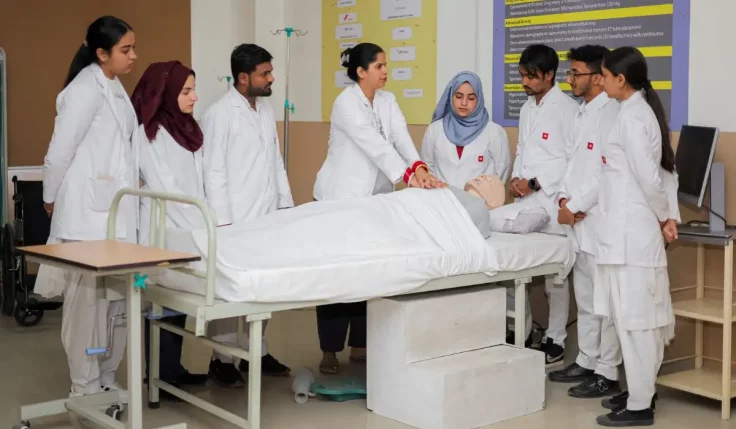
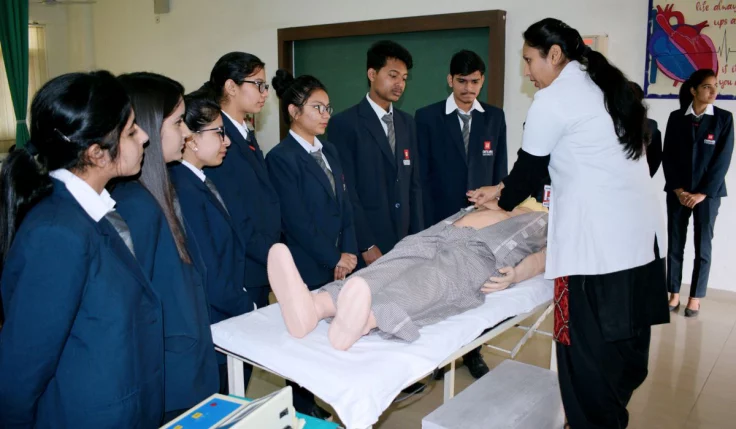
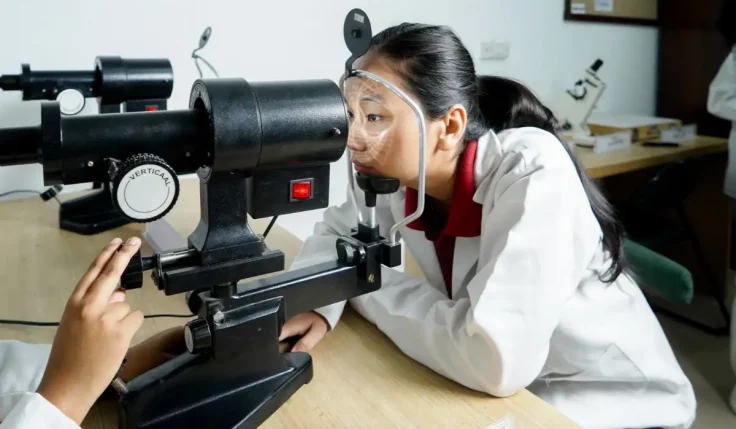
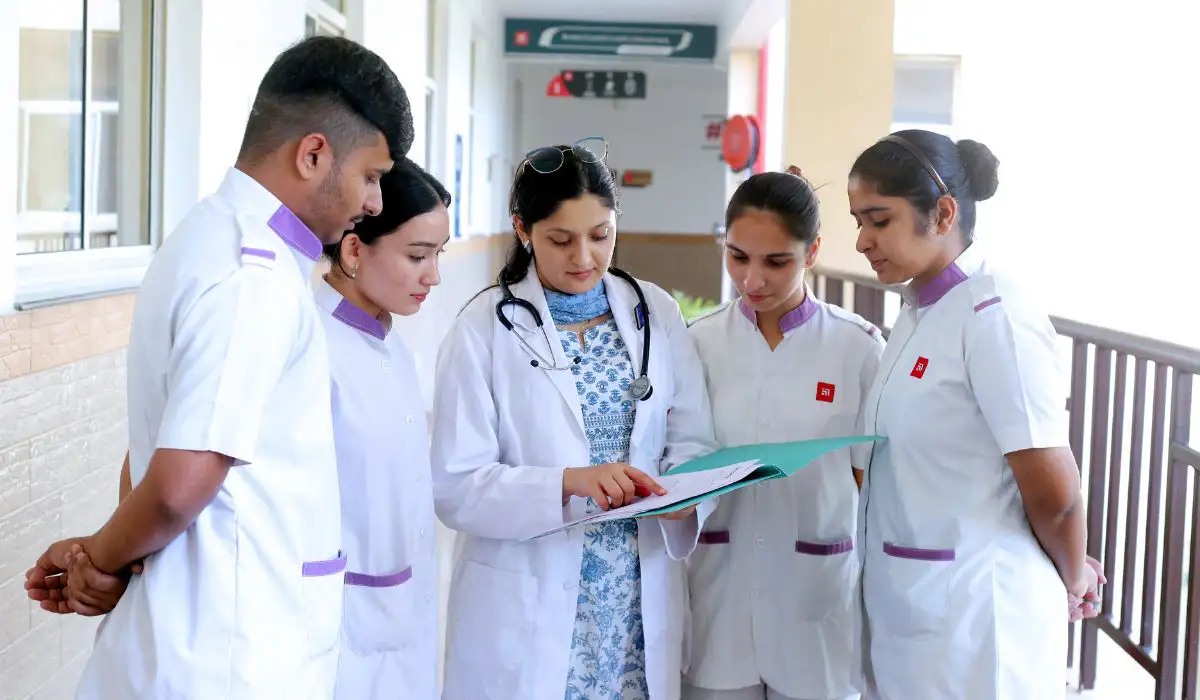
A B.Sc Nursing qualification is a four-year undergraduate program that allows students to get trained to become a qualified nursing professional who can offer comprehensive healthcare services. This program’s curriculum is a combination of theory and wide clinical training in healthcare settings and hospitals, which ensures that graduates get trained to treat real-life medical situations.
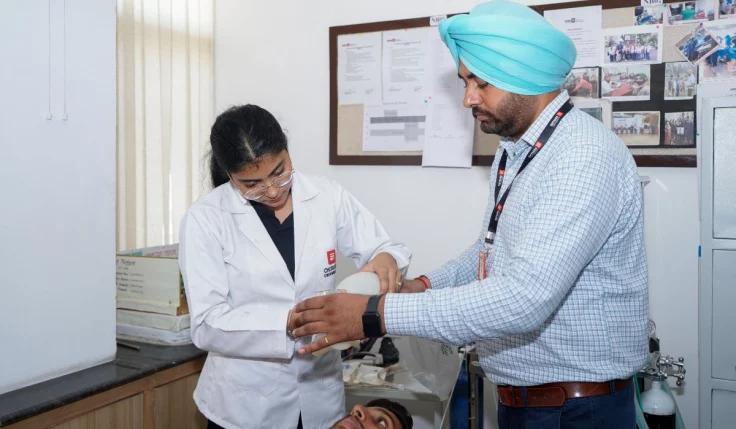
Pursuing this program also gives students the opportunity to do clinical internships, which further allows them to get valuable hands-on experience much before they can enter the workforce.
Which Skills are Required to Build a Successful Career in Nursing?
B.Sc Nursing teaches you first-world skills required to become a successful nursing professional. In addition, it also teaches the skills required to pursue courses after B.Sc Nursing for higher education. While the academic knowledge forms a strong nursing foundation, professional success is dependent on interpersonal and practical skills.
Compassion: One of the most important skills for a nurse to have is compassion. It helps in really understanding a patient, which further helps in offering professional yet empathetic healthcare services and emotional and physical support.
Communication: Communicating effectively helps a nursing graduate to get trained in talking clearly with doctors, patients, other healthcare professionals, and their colleagues. This further helps them to become a successful nurse as they are able to understand and offer just what is required.
Critical Thinking: A nursing student should be able to think critically and solve real-life problems, which further helps in making strategic and informed decisions during emergencies. Paying attention to detail helps in working for patient safety and ensuring accurate medical documentation.
Time Management: A nursing course also teaches time management to students so that they learn how to carry out their responsibilities, manage patients, complete the tasks given by doctors, and also get some time for themselves in the end.
Other than these skills, emotional resilience, teamwork, and flexibility are also considered essential qualities. They help nurses to do well in fast‑paced healthcare environments where all decisions can impact patient care.
Top Job Opportunities After B.Sc Nursing
One of the best benefits of this degree is the wide range of careers after B.Sc Nursing that it leads to. The graduates can take up traditional hospital roles as the healthcare industry includes various specialisations and industries.
Staff Nurse: After a B.Sc nursing qualification, one of the most common jobs is that of a Staff Nurse. This job role involves giving direct patient care, administering medicine, monitoring patient recovery, and also assisting doctors during treatments. This job serves as the foundation for gaining more practical experience and also advancing into specialised nursing positions.
ICU Nurse: If you are interested in critical patient care, you can also work as an ICU nurse, managing patients who require constant monitoring because of serious illnesses and complex medical conditions. Emergency and Trauma Nurses are an important part of emergency departments as they react to accidents, injuries, life threatening situations.
Community Health Nurse: If you become a community healthcare nurse, you can work in the preventive and community healthcare space. This career choice also allows you to work with various maternal and child healthcare organisations, rural community healthcare projects, government healthcare programs, vaccination programs, etc.
Home Healthcare Nurse: Nurses who are interested in offering nursing care at home can take up this job. This involves taking care of the elderly and patients who are recovering from any diseases at their homes.
Operation Theatre Nurse: If a nurse enjoys a surgical setting, they can also work as an Operation Theatre Nurse. This job role allows them to assist surgeons while preparing for a surgical procedure, during a surgical procedure, and after the surgical procedure while also making sure that there is adherence to infection control protocol.
Paediatric Nurse: If you wish to work to solve the healthcare needs of infants and children, then the field of Paediatric Nursing is a good career choice.
Psychiatric Nurse: A Psychiatric Nurse is responsible for taking care of patients who are dealing with mental health conditions.
Research Nurse: Other than these job roles, job opportunities also exist as a research nurse, which is about contributing to clinical trials.
Nurse Educator: If a nurse is interested in teaching, then they can also work as a Nurse Educator, teaching future generations of nursing professionals in colleges and training institutions.
Government Jobs After B.Sc Nursing in India
For a successful career after B.Sc nursing, government employment roles are also one of the most sought-after because of attractive packages, job security, and other benefits. Professional nurses can get a position in renowned institutions such as state and national government hospitals, army hospitals, Indian Railways, ESIC hospitals, district hospitals, primary health centres, and community healthcare centres.
The public healthcare departments and other national healthcare programs also recruit nursing professionals to empower the Indian healthcare delivery system. Other than competitive salaries, government nurses often also get benefits including pension schemes, housing allowances, paid leaves, medical insurance, and other opportunities for professional development, which makes government jobs a good long‑term career option.
Which Higher Education Opportunities Are Available After B.Sc Nursing?
Graduates who aspire to further pursue higher education in nursing can pursue M.Sc Nursing. Further, this course can be pursued in specialised fields such as Paediatric Nursing, Community Health Nursing, Psychiatric Nursing, Medical Surgical Nursing, Obstetrics and Gynaecological Nursing.
Other courses after B.Sc Nursing can also include options such as an MBA in Hospital Administration, Master of Public Health, and advanced certifications in emergency medicine, critical care, oncology, and neonatal nursing.
What is the Salary After B.Sc Nursing?
The salary after the successful completion of a B.Sc Nursing depends on experience, specialisation, employer, and location of a nursing professional. Recent graduates earn anything between INR 3 – 5 Lakhs per annum, while professionals with more experience can expect salaries ranging from INR 5 – 7 Lakhs per annum.
Senior nurses, specialised nursing professionals, and nurse supervisors can earn anywhere between INR 7 – 12 Lakhs per annum. Nurse Managers and Healthcare Administrators often receive higher compensation, which goes as much as INR 12 – 15 Lakhs per annum.
Indian nurses also get employment across the world. Many countries such as the United Kingdom, Germany, UAE, other Gulf countries, and Australia hire Indian nurses at competitive salaries. If a nurse aspires to work outside of India, then the important part is to fulfil the language and license requirements.
What is the Scope of Nursing in India?
The future of the nursing profession is highly promising. With growing investments in healthcare infrastructure, the rise of multi-speciality hospitals, rising healthcare insurance coverage, technological growth, and a population that is contributing to a stable demand for competent nursing professionals.
Healthcare is also growing beyond hospitals. Telemedicine, online healthcare platforms, preventive healthcare, home-based medical care, and rehabilitation services are creating new career opportunities for nursing. With the government continuing to grow public healthcare systems and private healthcare providers growing their services, professional nurses still remain indispensable to India’s healthcare ecosystem.
Summing It Up:
A B.Sc in Nursing is one of the best undergraduate healthcare degrees as it forms the beginning of a future-ready career. The profession offers wide employment opportunities, job security, steady career progress, and the chance to make a lasting impact on people’s lives.
Regardless of whether you choose to work in a government hospital, a research organisation, a private healthcare institution, or an international healthcare system, the demand for a professional nurse continues to grow every year.
For most students who possess resilience, compassion, and a desire to serve society, B.Sc Nursing offers the combination of personal satisfaction, international career opportunities, and professional stability. With India’s healthcare sector continuing to grow, nursing is one of the most respected and rewarding professions.