
As the growth of emerging technologies continues at an unprecedented rate, the engineering industry has also grown widely. Industries are adapting new technologies to innovate new solutions to reach their business goals. If you aspire to become an engineer in 2026 or the future, then completing an engineering degree is not enough.
The in-demand skills for engineering students in 2026 include gaining comprehensive technical knowledge and a knack for strategic problem solving. Students should be willing to continuously learn so that they can innovate better.
If you are also an aspiring engineering student who is interested in building a successful career, then there is a list of top engineering skills that you should be trained in. Below, we will see the top 10 in-demand skills for engineering students in 2026 required to build a successful career.
Analytical Thinking: A skill that all engineering students should develop is analytical thinking. At its core, engineering is a subject that is about solving problems with innovative solutions. Almost all engineering specialisations are centred around finding challenges, analysing possible solutions, and also implementing an effective one.
Employers rank problem-solving as a valuable skill because it shows an engineer’s ability to think logically under stress. As one of the top engineering skills, developing strong analytical skills helps an engineer to break down a complex problem into small and manageable components, find the main problem, evaluate different solutions, and choose an efficient one on technical, practical, and financial considerations.
Students can enhance this skill by participating in various engineering competitions, solving first-world case studies, working on internship projects, and participating in innovation challenges. The inclination to consistently ask “Why” and explore various solutions to a problem helps in developing an analytical mindset.
Also, read this blog post: Computer Science Engineering Courses in India: Specialisations & Career Paths
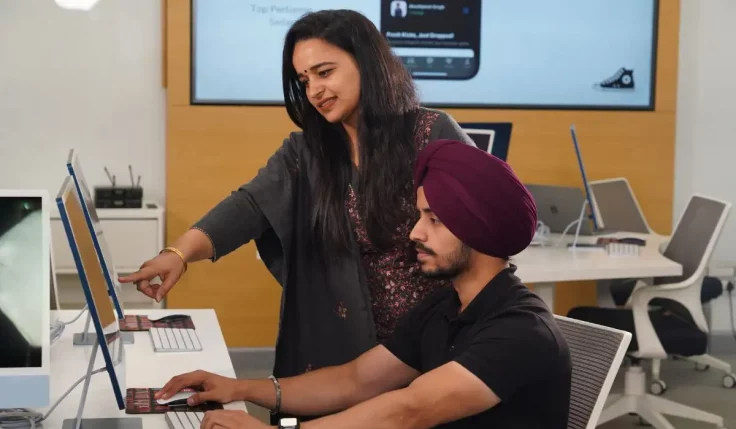
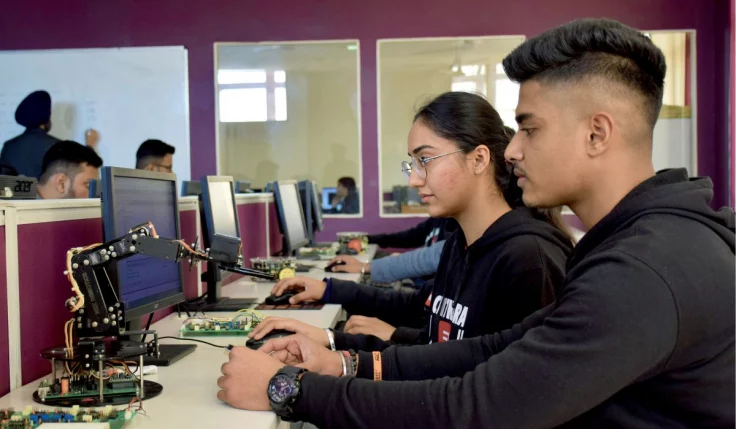
Technical Proficiency: All engineering disciplines require students to be proficient in using technology, which further helps them design, simulate, analyse, and manage engineering work better. The employers should graduate to become comfortable in using the industry-standard tools considered relevant to their field.
Instead of learning all software applications, the students must focus on mastering the software tools used commonly in their respective industry. Gaining hands-on experience with internships, personal projects, and laboratory work helps in building further confidence and showcases job readiness.
AI Knowledge: One of the top skills for engineering students in 2026 is gaining knowledge of Artificial Intelligence because it has widely changed how engineers work across various industries. This is not to say that students should become AI experts, but they should focus on becoming digitally literate and understanding how AI can improve productivity and decision-making.
Gaining AI knowledge includes learning how to work on online platforms, cloud-based software tools, collaboration tools, and AI applications, which is considered important for streamlining workflows. The engineers also use AI for automating repetitive tasks, generating reports, analysing data, writing code, creating technical documentation, and enhancing project planning.
Gaining a detailed understanding of AI ethics, automation, and prompt engineering is also becoming valuable. It is also necessary to understand AI’s limitations and know when human experience is useful. By becoming digitally literate, engineering students can also become efficient professionals who are capable of using technology instead of competing with it.
Effective Communication: Yet another demand skill for engineering students is to be able to communicate effectively. Most engineers are unable to communicate their ideas effectively because they only think logically. Engineering is more like a collaborative profession which requires interaction with colleagues, vendors, management teams, clients, and clients.
With strong communication skills, it becomes possible to write clearly, work for presentations, explain difficult concepts by simplifying them, participate in meetings, and maintain professional email etiquette.
A professional engineer who is able to present the project findings and explain technical solutions to even the non-technical audience has greater opportunities for career growth. With good communication skills, engineers are able to form trust, work efficiently, and ensure effective implementation of solutions.
Data Analysis: Another future skill for engineering graduates is data analysis. As data plays an important role in modern engineering, it can be used for analysing production, streamlining energy consumption, overseeing structural performance, and improving product quality.
If an engineer can collect, understand, and also present data effectively, then it becomes possible to find patterns, predict problems, and make informed decisions. Data analysis also extends beyond just being good at programming because it also involves statistics, data dashboards, creating reports, and using visualisation for communicating findings.
The engineering students should learn data analysis tools such as Microsoft Excel, Tableau, Power BI, and many more so that they can get a fundamental understanding of statistical concepts and also gain a competitive advantage during internships.
Consistent Learning: The ability to learn consistently is one of the top engineering skills. With technology growing widely and engineering knowledge becoming outdated within a few years, some of the most successful engineers are the ones who can update their skills and also embrace consistent learning.
With adaptability and consistent learning, it is possible to be open to change, learn new technologies, adjust to different work environments, and also stay informed about ongoing developments.
Employers today mostly value candidates who can demonstrate resilience, curiosity, and a willingness to learn how to go beyond the academic curriculum. It is possible to pursue this by completing online certifications, reading technical journals, and also attending industry webinars. The ability to develop this mindset ensures consistent growth and also trains engineers for future technological growth.
Teamwork: Engineering involves large manufacturing and infrastructure projects, software development applications, and research initiatives, which is directly dependent on collaboration among interdisciplinary teams.
Leadership is about taking initiatives, motivating the team members, solving conflicts, taking informed decisions, accepting accountability, and also guiding projects towards successful completion.
Teamwork involves the ability to work together respectfully, appreciate different perspectives, share common responsibilities, and also contribute to group objectives. With participation in technical events, academic projects, and leadership roles volunteering, useful opportunities can be developed for important interpersonal skills.
Sustainability: Another demand skill for engineering students is sustainability. It has become a defining priority across various engineering disciplines. Most organisations, government institutions, and customers expect engineering solutions that can reduce environmental impact while also enhancing future economic and social benefits.
Regardless of whether it is about manufacturing products, developing transportation systems, or creating energy solutions, sustainability affects all engineering decisions across various fields. Students who can understand sustainable engineering practices, environmental regulations, and environmental, social, and governance principles can be used for preparing the future workforce.
Project Management: Engineering projects often include so much more than technical execution. They require resource allocation, scheduling, quality control, risk management, and budgeting. With engineers growing in their careers, many also transition into roles where they can oversee projects instead of individual technical tasks.
Project management principles help students learn how engineering projects are planned and executed from beginning to end. Basic familiarity with technologies such as Agile, Lean, and Scrum can also be beneficial in technology-centred industries.
Engineering students can also develop these skills by leading college projects, managing deadlines, coordinating technical events, and working with multidisciplinary teams where project planning and coordination are considered important.
Entrepreneurial Thinking: Engineers who can think ahead of technical specifications and also understand how their decisions can affect business outcomes succeed in the long run. In addition, companies also value professionals who appreciate customer needs, operational costs, commercial visibility, and market trends.
One of the most important skills for engineering students in 2026 is entrepreneurial thinking. Business knowledge trains engineers to design solutions that are business and customer-focused yet technically sound.
If an engineer has entrepreneurial thinking, then they will also be able to innovate, create, and find opportunities for product development. Students must also develop a comprehensive understanding of innovation management, budgeting, lifecycle management, customer centric design, and financial literacy. Even if an engineer does not plan to build a business, this knowledge can be useful for ensuring organisational success.
Also, read this blog post: Why Developers Are Switching From MERN Stack to Cybersecurity in 2026
Summing It Up:
If you wish to become a successful engineer in 2026, you have to do much more than just gain technical knowledge. You should be able to think strategically, solve problems, innovate, work with new technologies, lead teams, and achieve business goals.
In addition to academic excellence, the skills mentioned above will help you become a successful engineer. Pursue an engineering degree of your choice at an approved and accredited institution such as Chitkara University to become a professional who can leave a meaningful impact in an ever-growing world.