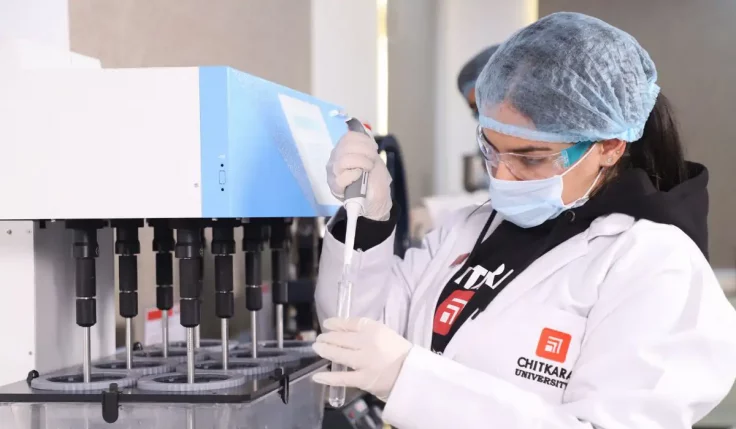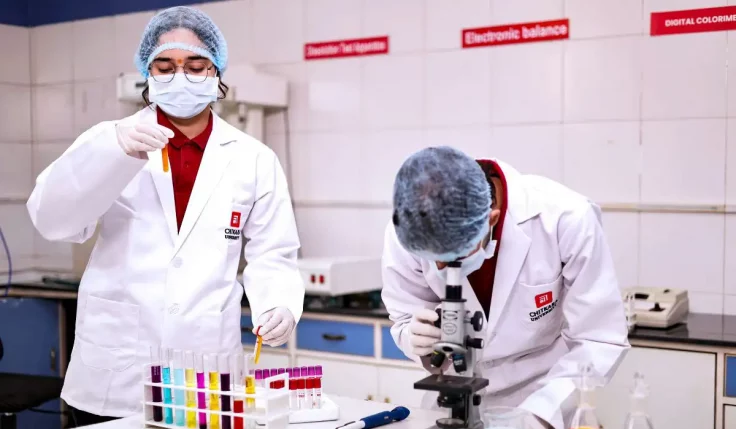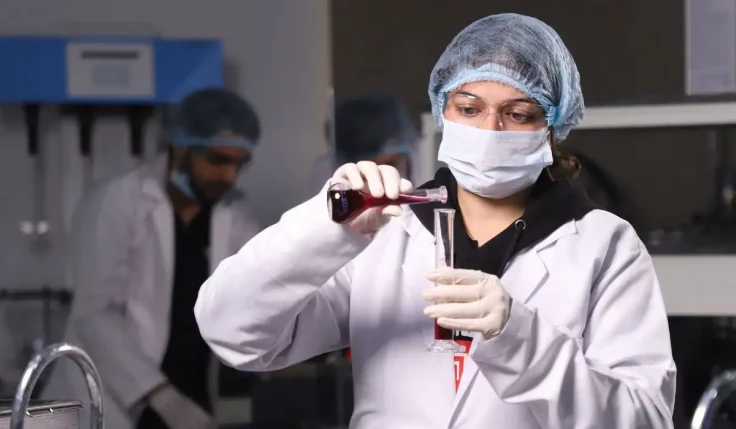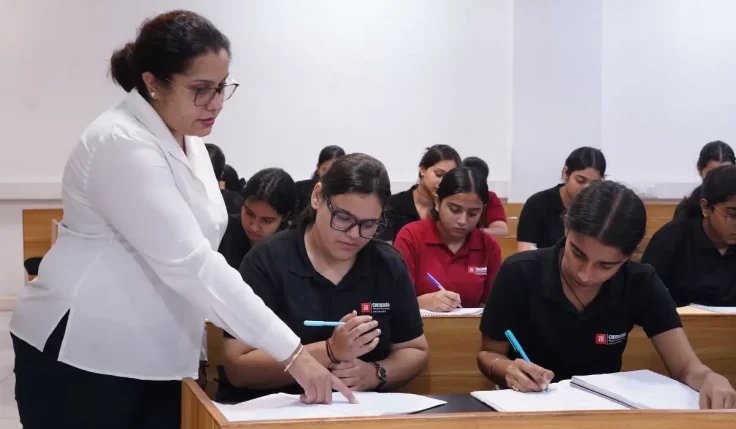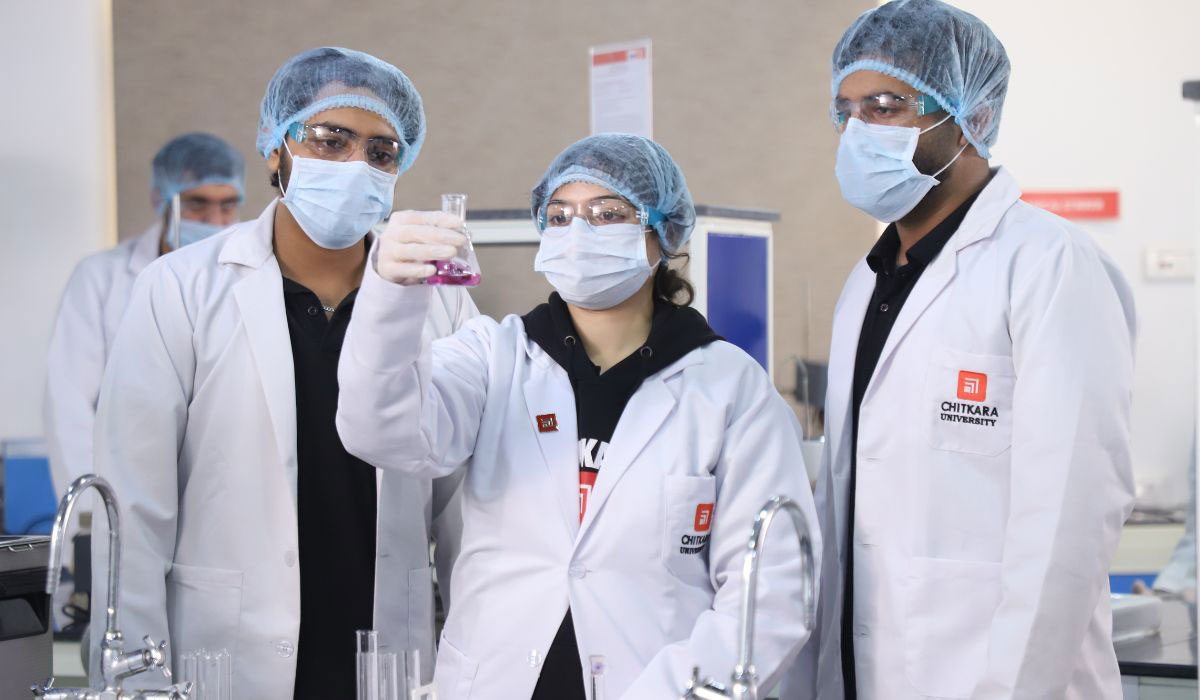

Pharmacists function as healthcare system guardians who maintain medication safety and effectiveness while upholding ethical standards. The modern world requires pharmacists to perform duties which extend beyond their traditional prescription dispensing work. Pharmacists now serve as vital contributors to worldwide health protection through their work in policy development and medication accessibility improvement, and their research-based efforts to stop public health disasters.
Why Pharmacists Are Crucial for Public Health
Pharmacists serve as essential members of public health pharmacy because they deliver medication management services and disease prevention programs, and health education to communities.
- Pharmacists protect patients by guaranteeing proper medication distribution and correct medication usage, which decreases drug resistance and minimizes adverse reactions.
- Pharmacists actively participate in vaccination initiatives through patient education about immunization benefits and proper vaccine storage and handling practices.
- Pharmacists maintain essential medicine availability during public health crises by delivering correct health information to fight against false information.
Their accessible nature makes them one of the most dependable healthcare providers who connect medical services to community members.
The Expanding Global Role of Pharmacist
| Role of Pharmacists | Impact on Global Health |
| Vaccination | Better disease prevention |
| Pharmacovigilance | Safer medicines |
| AMR Programs | Reduce antibiotic misuse |
| Telepharmacy | Increased healthcare access |
Pharmacists participate in multiple international and cross-border initiatives which expand their global health work.
- Pharmacists work to provide affordable, high-quality medications to underserved communities throughout developing nations.
- Pharmacists lead the fight against antimicrobial resistance (AMR) through their work on antibiotic stewardship programs.
- Pharmacists use research activities and teamwork and community outreach to create healthcare policies which affect worldwide health outcomes.
- Pharmacists actively participate in multiple international and cross-border initiatives. Pharmacists work with FIP (International Pharmaceutical Federation) and the World Health Organization (WHO) to develop global pharmacovigilance systems which monitor and stop dangerous drug reactions.
Pharmacists actively participate in research activities and team up with others to provide community service which results in policy changes that affect global health and safety standards.
Technology & Innovation in Pharmacy
Healthcare digital transformation has brought pharmacists to the forefront of this revolution. The practice of pharmacy care undergoes transformation through the implementation of artificial intelligence (AI) and data analytics and telepharmacy services.
- The AI-based decision support system enables pharmacists to identify drug interactions and create individualized treatment plans and enhance patient medication compliance.
- Telepharmacy services enable pharmacists to provide remote patient counselling which maintains continuous medical care for patients in distant locations and disaster-stricken areas.
- The analytical power of data enables pharmacists to monitor disease patterns which helps public health organizations prepare for outbreaks and optimize their medicine supply management.
Pharmacists who adopt innovative practices create better patient care while strengthening the stability of worldwide healthcare systems.
Pharmacists in Emergency Response and Humanitarian Efforts
- Pharmacists actively participate in emergency situations and humanitarian missions to provide patients with essential medications and protect medical supply chains from damage.
- Pharmacists who work in crisis areas collaborate with international health organizations and medical teams to stop dangerous medications from reaching patients.
- Pharmacists teach local healthcare providers about medication safety protocols which helps develop their long-term healthcare abilities.
Their specialized knowledge enables healthcare systems to operate effectively during difficult times so patients can obtain their necessary medical care.
Education, Research, and Policy Development
Pharmacists use their expertise to create positive changes in global health through their work in education and policy development. The medical field benefits from their expertise because they develop new medical treatments and teach future pharmacists.
- Academic researchers at these institutions work on pharmaceutical development and drug discovery projects.
- The development of safe medication distribution systems and quality control measures and ethical distribution practices receives support from pharmacists who participate in policymaking activities.
Their worldwide involvement in health research and policy creation works toward building a better future for worldwide medical care that is both safe and fair.
Conclusion
Pharmacists function as protectors of worldwide health security during this period of fast-paced global transformation. The pharmacy public health approach which pharmacists lead plays an essential role in reaching universal health targets because of their diverse responsibilities in research and regulation and education and patient care. The pharmacy public health approach which pharmacists lead, will continue to guide the development of safe accessible healthcare systems for all people in the evolving healthcare environment. The pharmacist’s worldwide responsibilities extend beyond medication control because they work to create better lives while safeguarding populations and establishing a stronger future for global health.
Chitkara College of Pharmacy – Advancing Pharmaceutical Excellence
The institution Chitkara College of Pharmacy (CCP) started its operations in 2005 to become a top pharmaceutical education and research center which delivers innovative academic programs with practical industry applications. The college provides students with Bachelor’s and Master’s and Doctoral degrees to become qualified professionals who work in drug development and patient care and pharmaceutical product creation. The college holds the 16th position in the NIRF 2025 rankings through its combination of skilled teachers
The college provides students with multiple academic programs including B.Pharm and M.Pharm and Pharm.D and contemporary facilities and practical training programs which develop pharmacy professionals for worldwide success.
Future-Ready Pharma Education and Pharm.D (Post-Baccalaureate) and M.Sc. in Pharmacovigilance to fulfil present and future requirements of worldwide healthcare systems. The educational programs at CCP combine theoretical instruction with practical experience and industrial connections to develop students who possess current competencies in drug development and pharmacovigilance and clinical healthcare.
Strong Industry Collaborations and Innovation
The college works with Abbott and Cipla and Sun Pharma and Pfizer and Novartis to provide students with essential pharmaceutical industry experience. The college supports research activities and innovation through programs which help students and faculty members to publish their work in respected scientific journals and advance worldwide healthcare progress.
Also, read this blog post: Why a Bachelor of Pharmacy Is More Than Just a Science Degree
A Legacy of Impact and Global Reach
The international alumni network of CCP supports its graduates who now work at top pharmaceutical companies and hospitals and research institutions across the world. The Centre of Excellence at Chitkara College of Pharmacy develops leaders who unite scientific knowledge with empathy to create substantial healthcare breakthroughs and worldwide wellness improvements.