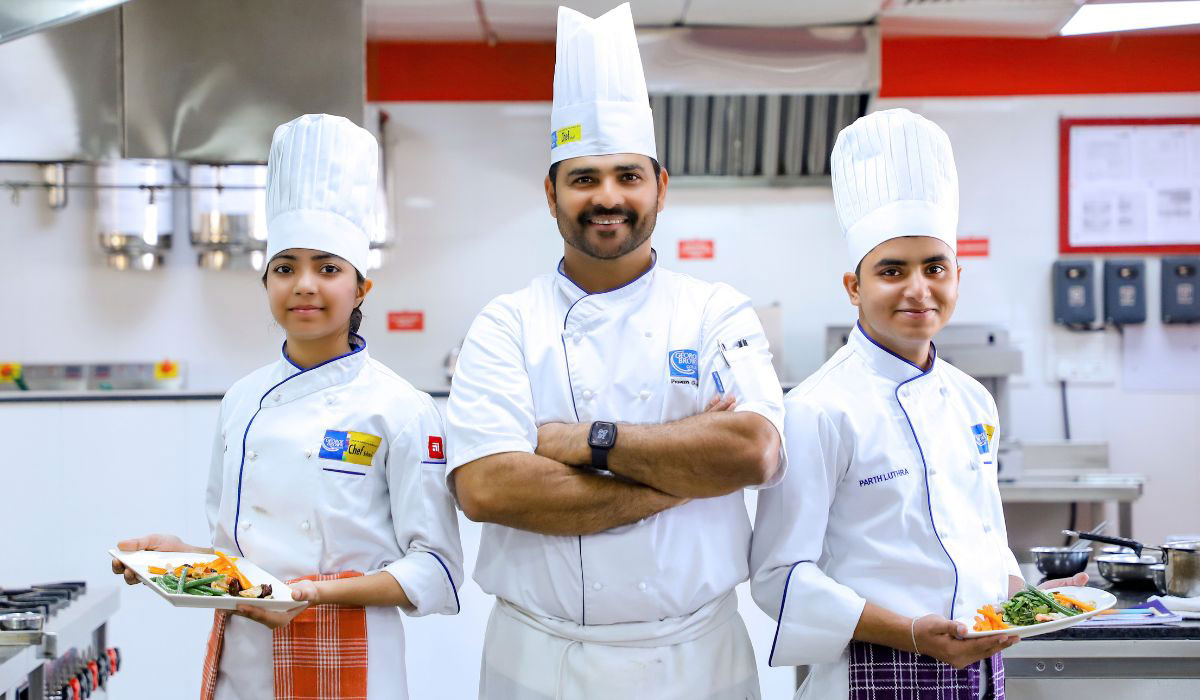

The modern food industry demands more than cooking skills. A Bachelor in Culinary Management equips students with leadership, innovation, and business skills to succeed in global culinary careers.
The Evolution of Culinary Careers
Chefs used to gain their cooking skills as their main professional value. The current culinary industry requires chefs to perform multiple tasks that extend beyond cooking. Modern culinary professionals need to perform the following duties:
- The management of big teams and complete oversight of kitchen operations falls under kitchen management responsibilities.
- The ability to create innovative recipes and presentation methods constitutes food innovation.
- The ability to follow culinary patterns which emerge from different parts of the world.
- The ability to handle food expenses and inventory management and budget planning.
- The delivery of top-notch dining experiences occurs in restaurants together with hotels and hospitality facilities.
Students who pursue a Bachelor in Culinary Management program learn to execute sous-vide cooking and baking and molecular gastronomy techniques while gaining expertise in kitchen administration and food business management.
Key Skills Beyond Cooking
A person who wants to succeed in global culinary work needs to possess technical abilities together with management skills and creative thinking. The following section explains the fundamental competencies needed for success.
Kitchen and Operations Management
A well-run kitchen depends on effective kitchen management to achieve operational excellence and maintain high-quality standards. A chef needs to plan staff schedules and monitor workflow operations while upholding cleanliness standards and maintaining consistent food quality. Students in culinary management programs gain practical experience through running a kitchen as if it were a professional business.
Food Innovation and Trend Awareness
The worldwide food industry depends on its ability to innovate and adapt to new situations. Modern chefs develop new culinary approaches by combining different cuisines and working with plant-based ingredients and environmentally friendly food materials. Graduates who understand food trends can develop menus that appeal to customers while staying relevant to market requirements.
Leadership and Teamwork
A person who wants to lead a kitchen or hospitality business needs to demonstrate exceptional leadership abilities. Students in culinary programs learn to lead their teams through effective delegation and conflict resolution while creating positive work environments. The modern chef needs to demonstrate skills in staff mentoring and efficient team management and motivation.
Business and Financial Acumen
The contemporary culinary industry combines entrepreneurial ventures with strategic business planning. Students acquire vital competencies for restaurant management through learning about budgeting and cost control and menu pricing and operational optimization which enables them to start their own food service businesses.
Communication and Customer Engagement
The delivery of successful hospitality services depends heavily on strong communication abilities. The daily activities of chefs include working with their staff and suppliers and interacting with their customers. The curriculum of culinary management programs teaches students about customer service and digital marketing and branding to help them present their establishments professionally.
International Exposure: A Global Perspective
The food and hospitality industry operates as a worldwide business sector. The modern culinary industry demands chefs to work between international kitchens and global food companies. Students enrolled in Bachelor in Culinary Management programs can participate in:
- Students can participate in international internships and exchange programs.
- Students gain knowledge about mul tiple food traditions and dining customs from around the world.
- The program teaches students about worldwide food safety and hygiene standards.
- The program allows students to join international culinary competitions.
Students who participate in these experiences learn to handle different cultures in management roles which helps them excel in diverse workplace environments and stay current with worldwide culinary patterns.
Career Opportunities in Global Culinary Careers
Culinary Management program graduates find various hospitality career paths including:
- Executive Chef or Sous-Chef
- Restaurant Manager or Operations Head
- Culinary Consultant or Food Entrepreneur
- Food Stylist or Menu Designer
- Nutrition Specialist or Food Safety Expert
- Hotel and Resort Culinary Director
Graduates who combine their chef expertise with business knowledge can pursue leadership positions or start their own global food businesses.
Why a Bachelor in Culinary Management is Essential
The competitive global food industry demands that aspiring chefs complete a Bachelor in Culinary Management program to gain complete culinary leadership abilities. The program teaches students to manage kitchens while developing business strategies and innovative approaches and cultural competence skills. The programs train students to become leaders who can lead change and create trends while motivating their teams throughout international kitchens through their combination of technical and managerial education.
Conclusion
Modern culinary success requires professionals to possess both culinary expertise and business acumen and management abilities and creative thinking and international market understanding. Students who pursue a Bachelor in Culinary Management program receive essential skills to succeed in hospitality work while staying current with culinary trends and achieving success in international food markets. The complete approach to culinary education provides aspiring leaders with the necessary skills to become influential global culinary leaders who can lead
Also, read this blog post: Bachelor’s Degree in Culinary Arts at George Brown College
The unique Bachelor in Culinary Management program at Chitkara University
The modern food industry undergoes fast changes which require culinary professionals to demonstrate abilities beyond cooking techniques. The path to success for future professionals requires them to develop culinary abilities and learn kitchen management and food innovation and hospitality leadership skills. The unique Bachelor in Culinary Management program at Chitkara University with George Brown College Canada trains students to become future leaders in the global culinary industry.
The program combines superior mentorship with practical training and academic excellence to deliver a complete educational experience to students. Students develop their chef abilities while studying international food trends and sustainable practices and food business operations and customer service delivery. Students who join this program benefit from global faculty and industry experts who deliver real-world learning experiences that prepare them for success in the worldwide food and hospitality sector.
The program trains students to become qualified professionals who can choose from various career paths including executive chef roles and culinary innovation work and kitchen management and food research and restaurant business ownership. The program unites George Brown College excellence with Chitkara University academic excellence to provide students with skills and global understanding and confidence needed for success in the modern food industry.