
The world has made nutritionists more crucial than ever before in this modern health-oriented environment. Qualified nutrition professionals face increasing demand because people now understand the value of eating well while living healthily. A career as a nutritionist offers rewarding opportunities to those who want to help others achieve wellness through their passion for health and food. A question many people have is how to start a career as a nutritionist. The following detailed guide will lead you through the process of becoming a successful nutritionist.
Step 1: Understand What a Nutritionist Does
Understanding the responsibilities of a nutritionist is essential before starting the application process. Nutritionists serve as health specialists who evaluate nutritional issues before diagnosing them and treating patients with nutritional problems. Nutritionists develop individualized eating plans for their clients while teaching them about healthy food practices and work across hospitals clinics wellness centers gyms and private practice settings. The medical field needs nutritionist experts to manage obesity and diabetes while treating cardiovascular diseases to achieve total wellness.
Step 2: Meet Basic Qualifications and Education Requirements
The first requirement for starting your path to become a nutritionist is to get the required qualifications. To become a nutritionist in India one must finish approved educational programs that teach human nutrition and dietetics and health management knowledge.
The typical path to becoming a nutritionist in India requires candidates to pass their 10+2 science exams with subjects including Physics and Chemistry and Biology. The basic requirement for entering nutrition or dietetics undergraduate programs starts with a 10+2 Science background. The primary starting qualification for nutrition and dietetics or food science students leads to B.Sc. degrees in Nutrition and Dietetics, Food and Nutrition or Dietetics and Food Service Management.
Step 3: Enroll in a Recognized Nutritionist Course
After fulfilling basic education standards you should select the appropriate nutritionist course available in India. Many established institutions throughout India provide certification programs for nutrition and dietetics education. Students should enroll in programs that gain official accreditation from institutions such as the Indian Dietetic Association (IDA) and the Nutrition Society of India.
The typical duration needed to complete a nutritionist course leads to a Bachelor’s degree which requires 3 to 4 years of study. Various educational institutions provide postgraduate certification programs as well as diploma courses that focus on clinical nutrition and community nutrition and sports nutrition. A reputable program provides you with both theoretical knowledge and practical training which forms the base for your future professional success.
Step 4: Get Practical Experience
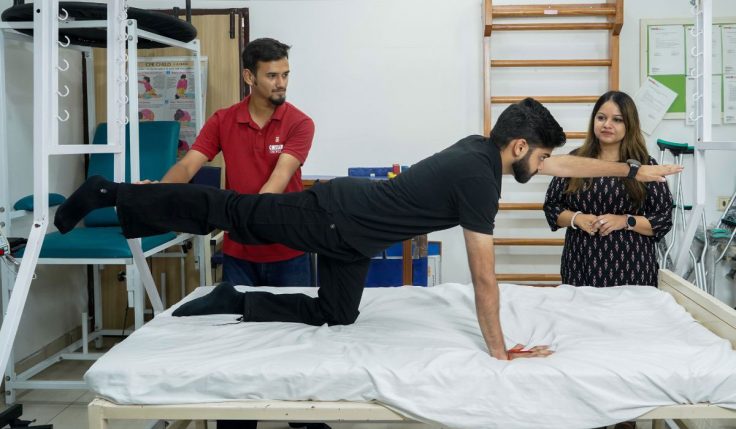
Nutrition professionals need equal amounts of theoretical education and practical training to succeed. During your academic program you should obtain both practical training and internships at hospitals along with nutrition clinics and community health centers and wellness resorts. Through real-world client interactions you can learn practical dietetics skills and create individualized meal plans while understanding actual client requirements.
The educational institutions organize internship programs for students at hospitals and health clinics along with professional dietitians. Your professional confidence will increase through early practical experience which will also make you ready for various work environments after graduation.
Step 5: Consider Specialization and Higher Education
Your undergraduate degree completion allows you to choose specialization options. Public health organizations and research institutions and hospitals and academia offer higher positions to students who earn a Master’s degree in Nutrition and Dietetics (M.Sc.) or a Post Graduate Diploma in Clinical Nutrition.
Professional specializations in Sports Nutrition, Pediatric Nutrition and Clinical Nutrition attract many candidates because they provide specific areas of expertise. The job market becomes more competitive when you join certification programs or training sessions focused on particular nutrition niches.
Step 6: Register with Professional Bodies and Gain Certification
The registration process with professional bodies including the Indian Dietetic Association (IDA) and Rehabilitation Council of India (RCI) provides professional credibility although it remains optional. Some states along with certain employers demand professional registration or certification primarily when candidates want to start independent practice or open their own consulting businesses.
Getting certification from recognized agencies ensures that you adhere to industry standards, stay updated with latest trends, and gain trust among clients and employers.
Step 7: Build Your Career and Stay Updated
The way to succeed in the nutritionist profession after getting qualified is through continuous learning. Attend workshops, seminars, and conferences to stay abreast of the latest research and innovations in nutrition. Other professionals can be networked with to access employment opportunities in hospitals and corporate wellness programs and sports organizations and consultancy services.
Flexibility is vital: you can work full-time in clinics or hospitals, freelance as a fitness or wellness coach, or even start an online consulting business. The demand for qualified nutritionists is expanding rapidly, especially with increasing awareness about a healthy lifestyle, so this is an industry with promising growth.
Final Thoughts
To become a nutritionist in India, you need to complete the academic qualifications, practical experience, and continuous learning. Relevant science subjects during your school years, recognized nutritionist course in India, and internships are essential steps for becoming a nutritionist. The growth of the industry can be leveraged to enter specialized fields like sports nutrition, pediatric nutrition or public health to carve out your niche. Moreover, maintaining your credentials through memberships in professional associations like the Indian Dietetic Association not only enhances your credibility but also keeps you connected with the latest trends and research in the field.
A career as a nutritionist is an extremely fulfilling path for people who are interested in health and wellness. Through guidance and support, you can help people improve their health by advising them on how to improve their habits, managing their chronic diseases, or assisting them to feel better and more energetic. There are many opportunities available for a nutritionist to work in hospitals, clinics, sports organizations or start their own consultancy. Through dedication and continuous learning, you can build a fulfilling career that’s not only financially rewarding but also deeply meaningful.
Also, read this blog post: Exploring the Dynamic Field of Nutrition and Dietetics
Every step, from education, practical experience, specialization, and professional certification, is part of your journey to making a difference. So, start exploring nutritionist courses in India today, and take the first step towards a fulfilling career in health and wellness. Your future as a trusted nutrition expert begins now!
Chitkara University’s B.Sc. (Hons.) in Nutrition & Dietetics
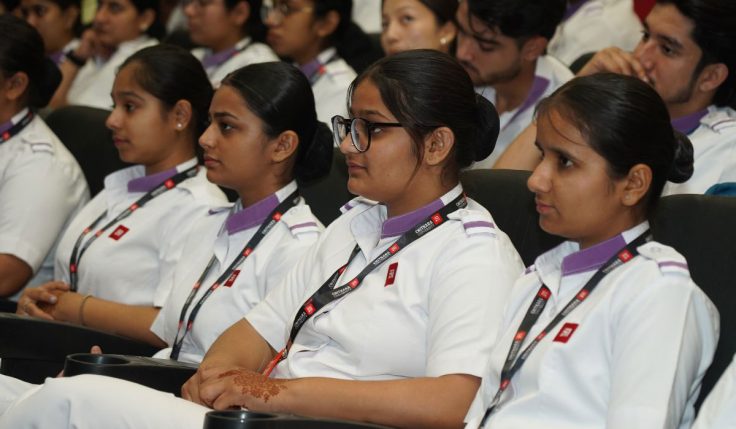
Chitkara University provides a four-year complete full-time B.Sc. (Hons.) in Nutrition & Dietetics program which prepares students for health and wellness industry success through essential knowledge and practical skills development. The program delivers academic knowledge with practical training to produce graduates who meet the rising demand for qualified nutritionists and dietitians throughout India and globally. The program teaches students about food management and medical nutrition and human biosciences and research dietary needs while emphasizing healthy lifestyles and studying modern topics including food safety and bioengineering and global food systems.
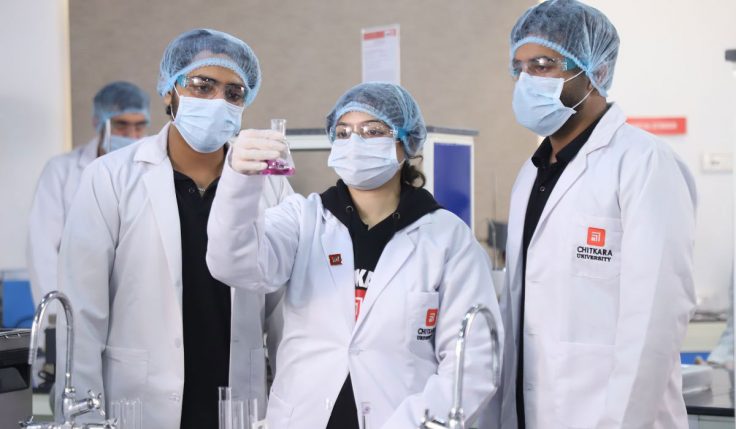
The curriculum teaches students to understand how lifestyle choices affect chronic diseases and aging populations as well as sustainable food practices. Students gain hands-on experience through their internships at hospitals and diagnostics labs and wellness centers and food industries. The curriculum supports research and innovation in community nutrition and public health and clinical dietetics to help students solve important health problems. The program develops both technical and analytical abilities to create multiple career options in hospitals and food companies and public health organizations and sports and wellness sectors.
The program prepares graduates to become nutritional science experts who create personalized diets while teaching healthy eating practices and developing public health policies. The program’s strong industry connections together with its research focus make its graduates highly competitive in the job market. The B.Sc. (Hons.) in Nutrition & Dietetics program at Chitkara University establishes a solid base for students to create successful careers in the dynamic health and wellness industry as clinical dietitians, community nutritionists, wellness coaches or food industry professionals.