
Will AI Replace Pharmacovigilance?
The worldwide healthcare and life sciences system operates at a rapid pace because Pharmacovigilance & Clinical Research functions as the central point where medical practice meets data management and regulatory frameworks and technological advancements. The number of drug approvals together with growing use of complex biologics and vaccines and individualized therapies will create an urgent need for experts who hold M.Sc degrees in Pharmacovigilance or M.Sc Clinical Research during 2026 and subsequent years. I have selected Pharmacovigilance at an Indian university for my Master’s education because it will create a path to career achievement in my professional future.
AI will not replace Pharmacovigilance professionals. Instead, it will automate repetitive tasks such as case processing, literature screening, and signal detection, while human experts remain essential for medical judgment, regulatory decisions, and patient safety oversight.
What Is Pharmacovigilance & Clinical Research—and Why It Matters
Pharmacovigilance focuses on:
- Monitoring adverse drug reactions (ADRs)
- Signal detection and risk assessment
- Post-marketing drug safety surveillance
- Ensuring patient safety and regulatory compliance
Clinical Research focuses on:
- Designing and conducting clinical trials
- Evaluating safety and efficacy of medicines
- Generating data for regulatory approvals
- Managing global clinical trial operations
2026 most suitable time to start M.Sc. studies in Pharmacovigilance.
The healthcare industry depends on data-based decision making yet it must comply with increasing regulatory requirements. The M.Sc. pharmacovigilance program together with masters in pharmacovigilance provides students with abilities to handle cases and detect signals and manage risks and create regulatory documents and monitor clinical trials. The fast expansion of CROs and biotech start-ups and global pharmaceutical operations in India has created high demand for pharmacovigilance master’s programs which provide students with international experience at affordable rates.
Graduates are increasingly sought for roles such as Drug Safety Associate, PV Scientist, Clinical Research Associate, Medical Reviewer, and Regulatory Affairs Executive.
With increasing approvals of biologics, vaccines, and complex therapies, global regulators now require stronger post-marketing safety surveillance. This has created long-term demand for trained Pharmacovigilance professionals, making 2026 a strategic entry point for students planning global healthcare careers.
How AI Is Transforming Pharmacovigilance Workflows
AI systems improve pharmacovigilance operations through their capability to perform automatic case processing and their fast literature review and adverse event pattern detection and signal generation abilities. AI systems lack the ability to perform tasks which require human judgment and ethical decision-making and medical interpretation and regulatory accountability. The process of safety evaluation needs trained experts to understand data context and determine cause and effect relationships while making decisions which prioritize patient needs.
The advancement of AI technology has created new hybrid roles which need experts to link their drug safety expertise with their analytical capabilities. The M.Sc program in Pharmacovigilance & Clinical Research enables students to work with AI systems instead of fighting against them which results in better efficiency and job prospects and advanced career stability.
Career Scope After M.Sc Pharmacovigilance & Clinical Research
The strong pharmacovigilance degree enables graduates to find employment at pharmaceutical companies and CROs and hospitals and regulatory agencies and health-tech firms. The market offers potential opportunities across four main locations which include India and Europe and the United States and new Asian life-science centers. The M.Sc Clinical Research program offers students additional career paths through its specializations which lead to work in clinical operations and data management and global trial coordination.
Who Should Choose M.Sc in Pharmacovigilance & Clinical Research?
This program is ideal for life science graduates seeking stable, globally relevant careers in drug safety, regulatory science, and clinical research, especially those interested in working with AI-enabled healthcare systems.
Also, read this blog post: Become a Part of Industry-Endorsed Training with a Pharmacovigilance Degree
Final Takeaway
The M.Sc program in Pharmacovigilance & Clinical Research in 2026 provides students with an academic framework to develop their career in patient safety and healthcare science development. AI technology works together with trained pharmacovigilance experts to improve their work activities instead of taking their place. The correct pharmacovigilance training program will help you to both adapt to changes and to actively direct their development.
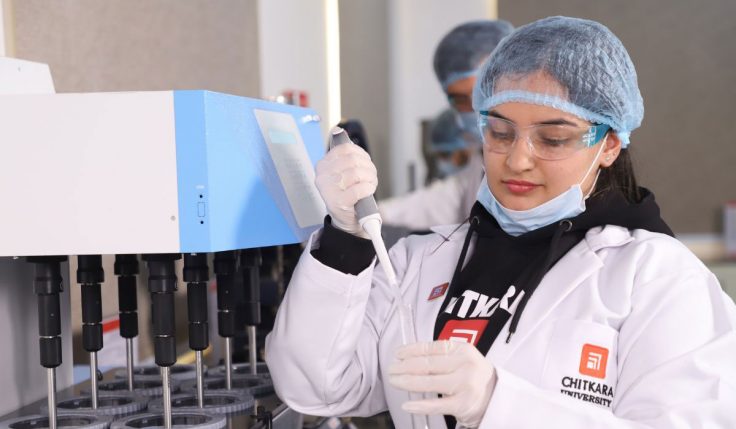
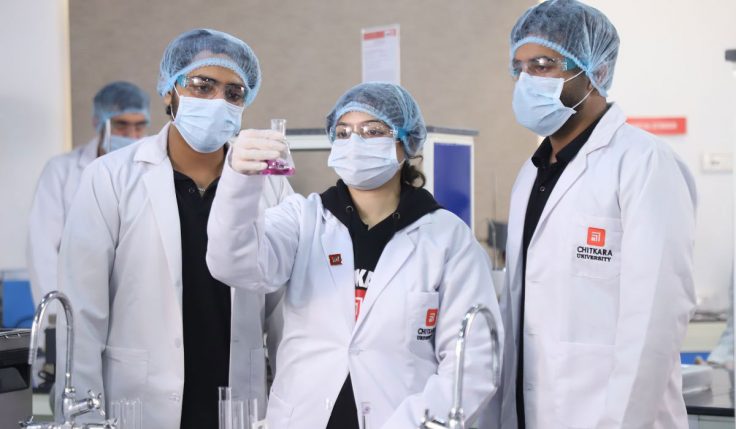
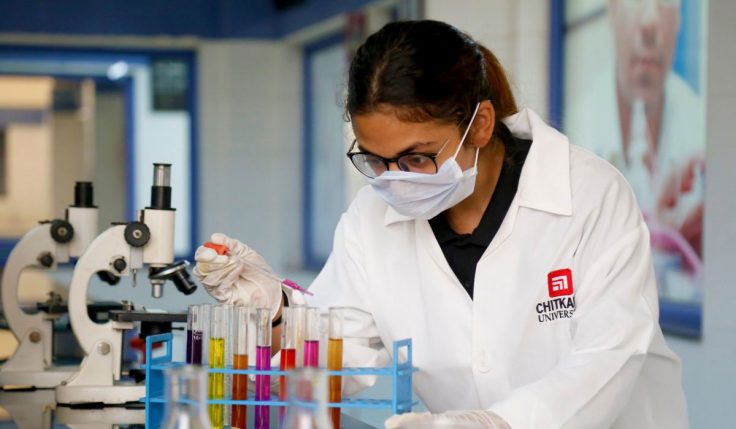
Chitkara University provides a modern 2-Year M.Sc program in Pharmacovigilance & Clinical Research through its partnership with Parexel
Students should evaluate curriculum depth, industry exposure, faculty expertise, and placement outcomes when selecting any Pharmacovigilance program.
The world now prioritizes drug safety together with regulatory compliance and patient health so Chitkara University provides a modern 2-Year M.Sc program in Pharmacovigilance & Clinical Research through its partnership with Parexel which operates as a leading global Clinical Research Organization. The industry-led program follows international standards to teach students who need to learn about medicine evaluation and drug safety and clinical research methods. The program unites academic learning with industrial work experience to give students an industry-recognized certification which serves as a valuable credential for worldwide pharmaceutical and healthcare industries.
The two-year program follows a curriculum which provides students with specialized industry-focused content through modules that Parexel helped create. The program provides students with practical knowledge about Clinical Research and Pharmacovigilance systems and regulatory frameworks and international safety standards which follow WHO and ICH and FDA and EMEA guidelines. Students learn more than theoretical concepts because they use clinical data management software and actual medical cases during their education which prepares them for immediate employment after graduation. The program stands as one of India’s most detailed and relevant training programs which prepares students to become drug safety professionals.
The program features a 6-month Parexel internship which becomes available to students who meet specific selection criteria. The internship lets students apply their learned knowledge through work with industry experts on business projects and worldwide research projects. The program at Chitkara University under Parexel management provides students with academic success and industrial management experience through its international regulatory training and professional development programs which prepare students for their future careers.
The Pharmacovigilance field has become a leading job market which remains stable during economic downturns so graduates from this program can find employment at pharmaceutical companies and CROs and hospitals and regulatory organizations throughout the world. The university offers guaranteed placement support through its connections with major pharmaceutical and healthcare companies which recruit students from the program. The M.Sc program provides students with access to meaningful international healthcare and life sciences positions which will lead them to successful careers as Pharmacovigilance Scientist and Drug Safety Officer and Clinical Research Associate and Regulatory Affairs Specialist.