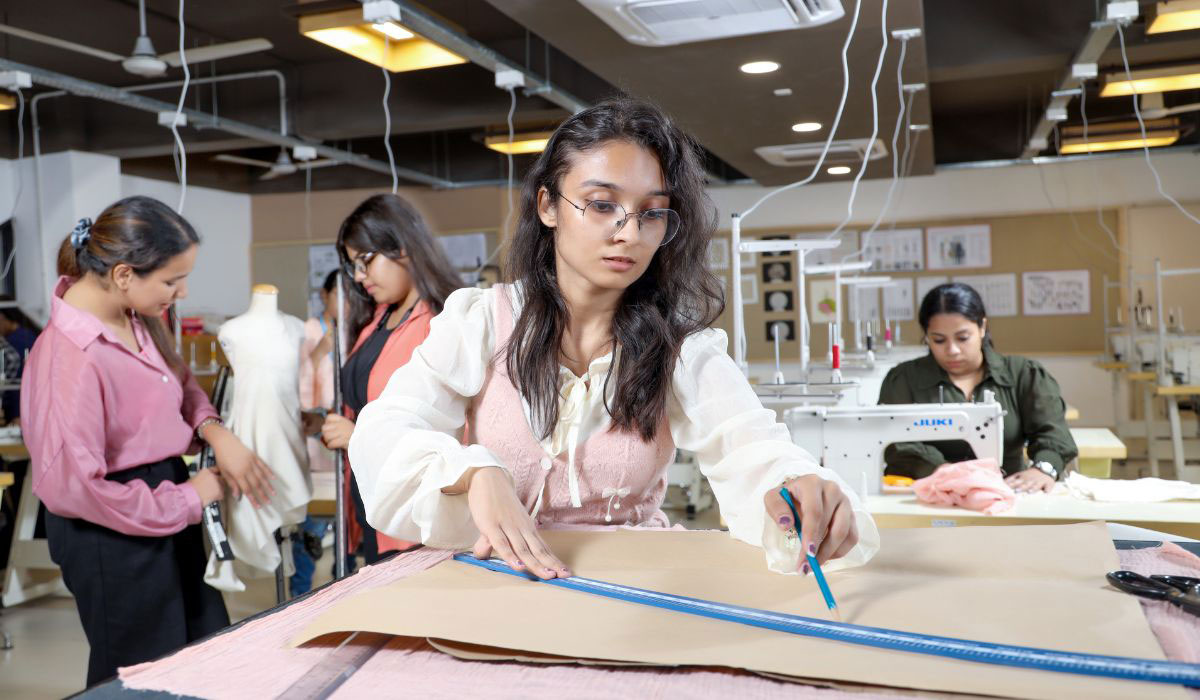

The free flow between creativity and precision in the fashion design world is not just an abstract concept; it’s really what sets apart great designers from ordinary ones. The art and science of fashion design combine to produce fabulous creations, overflowing with innovation, style and practicality. If attracted to the industry or already a part of it, this fusion is essential for success and needs to be understood and possessed.
Artistry in Fashion Design
Fundamentally speaking, fashion design is an art—a form of expression which designers transform into physical reality. It’s where imagination, innovation and aesthetics collide. A visionary designer is able to imagine special concepts, create designs and turn them into fabrics.
Embracing the Science of Precision
Art and science meet in the world of fashion design. The artistry of creativity and craftsmanship is the beating heart of fashion, but technical know-how adds another dimension. And it’s not only about sketching creative ideas, either. It also means getting your hands into the minute details of garment construction and fabric manipulation-the science behind the art. The holistic demand This successful B.Des Fashion Design program links together creativity and technicality.
Precision in pattern-making and awareness of textile construction are basic elements within the design process. Sewing techniques and the incorporation of ergonomic considerations into design are two pillars supporting garments that naturally combine form with function. This technical knowledge, with a comprehensive fashion design curriculum as the basis, furnishes future designers with an entry into excellence in this industry. It’s about encouraging a rich feeling for the creative and technical aspects of fashion, raising designers who are capable of innovation while being rooted in design theory on principles.
Bridging the Gap: B.Des Fashion Design Programs
The art and science of fashion In many ways B.Des Fashion Design programs serve as strands that link these two aspects together, contributing to the overall balance needed in society at large. These programs become important for fledgling designers. They tutor the students in fundamental design principles, garment construction techniques and tricks of textile science as well as methods of trend analysis–everything that an aspiring designer needs to know about getting started. By cultivating a balanced perspective, students go on to carve out this middle ground between raw creative flair and the hard skills needed in fashion’s changing climate. These programs also function as incubators. Preparing future designers with the kind of flexibility and expertise needed to survive in one of fashion design’s fiercest competitive arenas, they provide a solid foundation upon which other sojourns into creativity can build.
Exploring the Convergence
In the process of studying fashion design, students are taken on an intensive sortie into face-to-face reality. Between creative expression and meticulous precision they reach through obstacles in each dimension. As with their own creations, the curriculum they follow directs them to integrate flawlessly both the artistic parts of sketching and conceptualization, on one hand, and technical refinements such as accurate measurements theory and cheap nike air max construction techniques. Grappling with color theory, cut and adornment of fashion’s fabric (sewing), students develop their skills at the same time as learning how to hit fast-changing targets in line with a rapidly changing design choice underlined by digital tools. By exploring all aspects comprehensively, students are encouraged to combine creativity with technical skills. They learn how to adapt in the dynamic environment of fashion design and creation overall change rapidly along with changing lifestyles, demands for resources social structure etc.
Crafting a Vision for the Future
The contemporary fashion industry seeks individuals who not only possess creative flair but also understand the commercial and technological aspects. Hence, mastering the fusion of creativity and precision becomes pivotal for aspiring designers. It’s about envisioning trends, understanding consumer preferences, and manifesting designs that are both innovative and marketable.
Conclusion
Moreover, the path of learning the art and science of fashion design is a long one. Some would say it’s all about cultivating creativity and welcoming technical design, but in a constantly changing industry you must be prepared to grow with each new day. B.Des Fashion Design programs provide a nurturing environment where the next breed of designers can steep themselves in this world, with its confluence of vision and exactitude; they equip their students to change it all over again through design.
Read this blog: The Surprising Benefits of Pursuing a Degree in Fashion Design
Synergy In the laboratory and glorious factory called fashion design, fusion is not a desire. It is in fact indispensable for uncontrolled creativity; it has become all but silver thread itself arcing through each fabric of creation like golden fuel cells twisted around those found on rockets shooting into space.
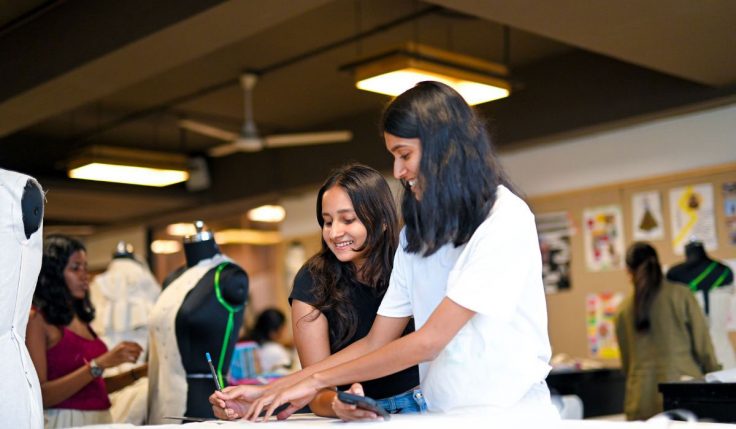
At Chitkara University, the 4-Year B. Des Fashion Design program stands as a beacon for aspiring designers, offering a unique blend of creativity and practicality. Designed to nurture individual creative expressions, the curriculum emphasizes both the artistry and the technical precision demanded by the fashion industry. Students embark on a transformative journey, honing their skills in draping, patternmaking, fashion CAD, and more while gaining insights into the historical and cultural contexts of fashion. Additionally, the program integrates technological advancements, sustainability practices, and ethical considerations, preparing students for the complexities of the modern fashion landscape.
The program’s highlights lie in its comprehensive approach to professional development. It seamlessly weaves internships, international exchange programs, and design-oriented research projects into the curriculum. Through studio practice and hands-on learning, students not only refine their design sensibilities but also gain a deeper understanding of industry trends and requirements. This immersive learning experience equips graduates to step into diverse roles such as Fashion Product Designers, Stylists, Illustrators, Trend Analysts, or Creative Directors, armed with a strong foundation and practical knowledge to navigate the dynamic fashion domain.