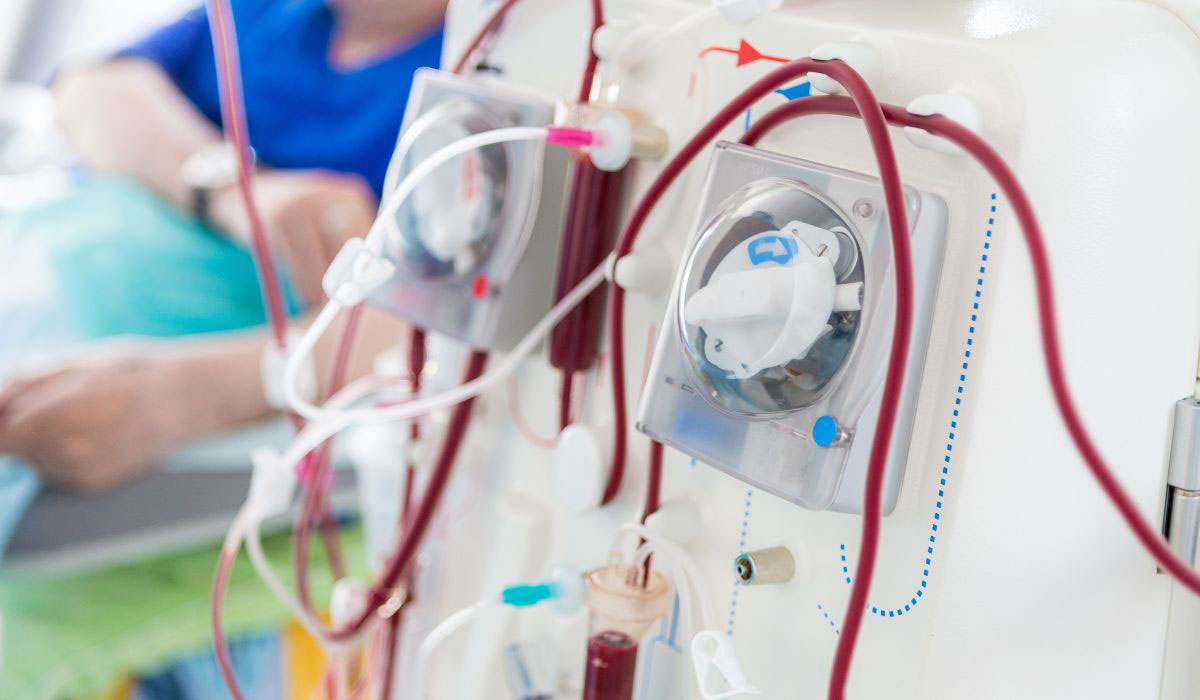

Specialized professions in healthcare, such as Dialysis Therapy, continue to play an important part in patient care. Aspiring professionals interested in a career in this field frequently seek a Bachelor of Science (BSc) in Dialysis Therapy, which provides them with the required skills and information to become competent practitioners. However, the hunt does not stop there. Post-baccalaureate programs provide additional skills and opportunities for growth, and understanding the pay outlook after finishing these programs is critical for potential applicants.
BSc Dialysis Therapy: A Foundation for Specialized Care
A BSc program in Dialysis Therapy is an important first step for anybody interested in delving into the complex realm of renal treatment. This undergraduate degree provides students with a thorough grasp of renal disorders, dialysis methods, patient care, and dialysis equipment operation. It is the foundation upon which prospective professionals develop their competence.
Foundations of BSc Dialysis Therapy Programs
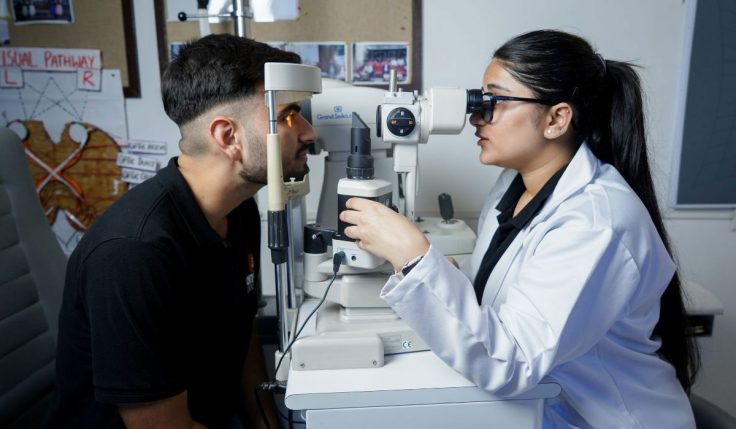
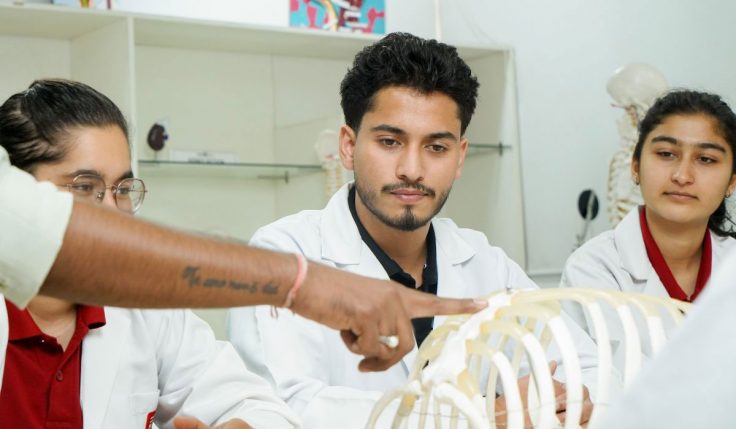
A BSc in Dialysis Therapy provides a solid foundation for those who want to make a difference in the lives of renal failure patients. These programs usually include a broad curriculum that covers the study of renal disorders, dialysis techniques, patient care, and dialysis equipment operation. They provide a combination of theoretical knowledge and practical instruction, preparing students to thrive in the profession.
Career Advancements and Salary Outlook
Professionals who complete a BSc degree in Dialysis Therapy can expect a variety of opportunities for job progress and pay increases. The need for qualified Dialysis Technicians is increasing, which means more chances in hospitals, clinics, research organizations, and medical equipment manufacturers.
Enhanced Career Opportunities: Dialysis Technicians, Haemodialysis Technologists, Peritoneal Dialysis Coordinators, and Continuous Renal Replacement Therapists are just a few of the jobs available to graduates of BSc Dialysis Therapy programs. Working closely with nephrologists, running dialysis equipment, and assuring patient safety and effectiveness are all responsibilities of these positions. The industry provides prospects for specialization, management roles, and research.
Salary Outlook: In India, entry-level opportunities for BSc graduates in Dialysis Therapy generally pay INR 2.5 to 4.5 lakhs per year. Higher education and specialized training, on the other hand, can have a considerable influence on earning possibilities. Postgraduate credentials or certifications in Dialysis Therapy can boost wages, with individuals who finish such programs often earning between INR 4.5 and 8 lakhs per year.
Advantages of Advanced Training and Education
Postgraduate programs or certifications in Dialysis Therapy provide professionals with an edge in the job market. These programs offer deeper insights into advanced techniques, research methodologies, and specialized clinical practices. Graduates with specialized training are better equipped to handle complex cases, contribute to advancements in the field, and consequently, command higher salaries.
To summarize, pursuing a career in Dialysis Therapy after completing a BSc degree provides enormous possibilities for progression, both professionally and financially. While a BSc degree provides the basis, pursuing postgraduate studies has a substantial influence on employment possibilities and wage prospects. Continuous learning, accumulating experience, and being up to date on industry advancements continue to be critical for progress in this lucrative sector of healthcare.
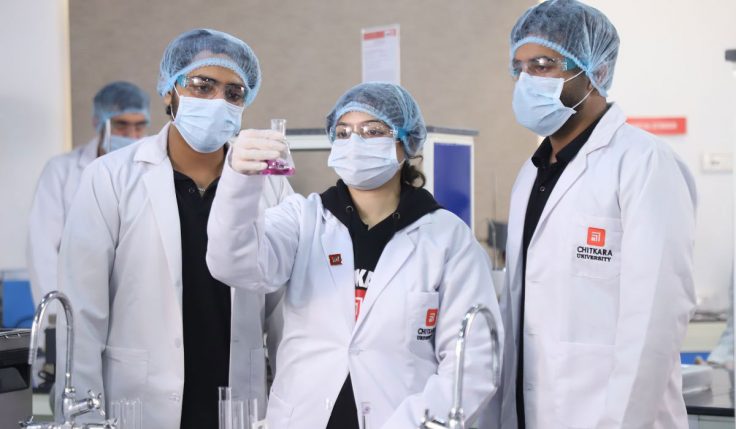
Chitkara University’s Bachelor of Science in Dialysis Therapy Technology (DTT) offers a comprehensive four-year program designed to equip aspiring healthcare professionals with the necessary skills and knowledge in renal care. This hands-on curriculum integrates classroom learning with a year-long industrial training partnership with Fortis Hospital, ensuring students gain practical experience in managing dialysis procedures and complications. With eligibility criteria requiring a minimum aggregate of 50% in relevant subjects, the program aims to mould proficient Dialysis Technicians capable of providing excellent paramedical support in hospitals and clinics.
The curriculum emphasizes flawless equipment operation, efficient patient management during dialysis, and exposure to real-world scenarios, preparing students for roles like Haemodialysis Technologists, Peritoneal Dialysis Coordinators, and more. With an anticipated 11% growth in dialysis technician employment from 2018 to 2028, graduates can expect promising career opportunities in diverse healthcare settings, including hospitals, laboratories, and outpatient care centres. Chitkara University’s holistic approach fosters critical thinking, teamwork, and problem-solving skills, integrating communication and leadership readiness into a supportive learning environment for students to thrive.