
Visual storytelling has been used for educating, engaging, and encouraging people for centuries altogether. Cut to the digital age, there are many interactive tools that are used to enhance the overall experience of visual storytelling.
Using graphics, pictures, and videos, visual storytelling gives audiences interactive storylines and emotions to get more hooked. It is a method of telling a story using visual content and has become an impeccable medium to bring ideas to life.
Although visual narratives may be used in many contexts from marketing, branding, education, advertising, journalism, etc. It is used in visual marketing by brands, businesses, and companies for communicating strong messages to target audiences and driving results.
A visual storyteller uses the power of design to create an emotive media experience including all visual cues such as colours, lighting, and composition for evoking emotions. In this post, we will get into the depth of visual storytelling in the digital age and create impactful visual narratives with design.
What is Visual Storytelling?
Visual storytelling includes using graphics, images, photos, and videos for engaging with viewers in an effort to drive more emotions, engage more, communicate effectively, and motivate the audience to take action. The goal of visual storytelling is to drive emotions and enable intercommunication for motivating an audience’s action.
There are five elements of visual storytelling. Let’s understand them one by one.
Tension: The first element is for creating an emotional connection with people. It motivates people to keep consuming the story.
Entertainment: After tension has been created, it is then time for hooking the audience in the first few seconds by entertaining them.
Education: This element includes giving information so that the viewer is educated on the topic.
Micro-Interactions: This element is for ensuring that even the seemingly small aspects including the movement of objects and a page’s dynamic adaptation can offer a good experience. The viewers need small interactions that can make them feel in control of the experience.
Call-to-action: This element is for making sure that your team is clear about what you want your audience to do after they have consumed the story. After this, you can work backwards for designing the visual storytelling for achieving your goals.
How to Craft a Visual Story?
There are multiple ways in which you can craft a visual story but before one events get into thinking about which way to adopt, it is important to know what the message is. You should be able to find what you wish to communicate for the process to work effectively. What this means is that you should be clear about what you wish to say and who is it for so that the stories can be crafted well.
Some of the best stories have the ability to make you feel something profound and also find yourself emotionally invested. Finding a common link that connects the storytelling elements is a must so that it can come alive and be more effective including connecting the imagery and colors back to an idea.
How to Design an Impactful Visual Narrative?
- Comparing the Visual Elements: Contrasting visual elements is important for visual storytelling because it helps in guiding the viewer’s attention to places that matter the most. The contrast also helps in maintaining a distinction between similar elements of visual storytelling while making the layout more readable. This contrast is formed when design elements are placed in position including dark vs light, thick vs thin, contemporary vs traditional, large vs small, etc.
- Colour and Space: Choosing the right colours for a design can help in defining the final tone. There are various colours to choose from and you can use them for a wide range of combinations. When it comes to colours and space, you can focus on background vs text, space around and between elements, shape creation using negative spaces, and highlighting important aspects with contrast and contemporary colours.
- Clear and Concise Message: It is very important to ensure that the message is short and clear. There must be a single message that matters a lot more than others and it should stand out the most so that the audience can be led to the content. The message should also be integrated with the design elements such that the attention is diverted to just the right places when it comes to text and visual representation.
- Catching the Eye: The consistency of choice when you are designing a page or using photographs is important. You can choose what you wish to draw on paper by using either an illustration and directing the eye of the viewer or by selectively choosing what they should look at in the frame.
When you are using a photo, this can become even better as compared to bulking up more elements without any kind of context for why you wish the viewer to see something first.
Communication Design For Visual Storytelling:
Visuals are important for storytelling. Visuals can communicate information in a simple way and also help to catch the attention of audiences. It creates powerful messages that can invoke emotions and influence opinions.
Effective communication is a skill but many people may be unaware of the importance of visual communication in using this skill for conveying a message using videos, infographics, charts, and media options. Studying visual communication formally allows students to learn to communicate significant information effectively.
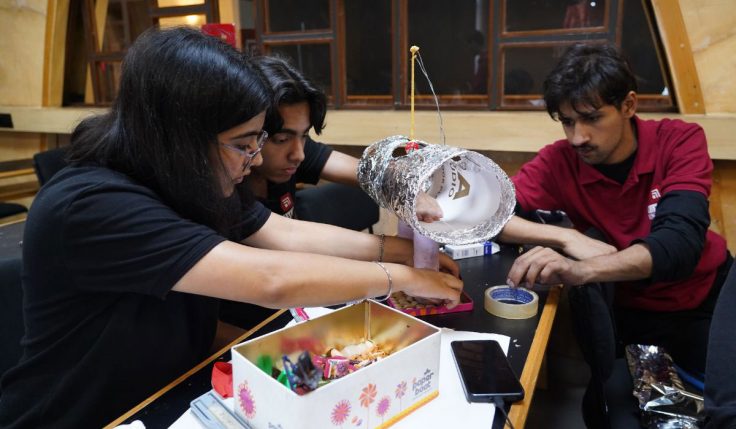
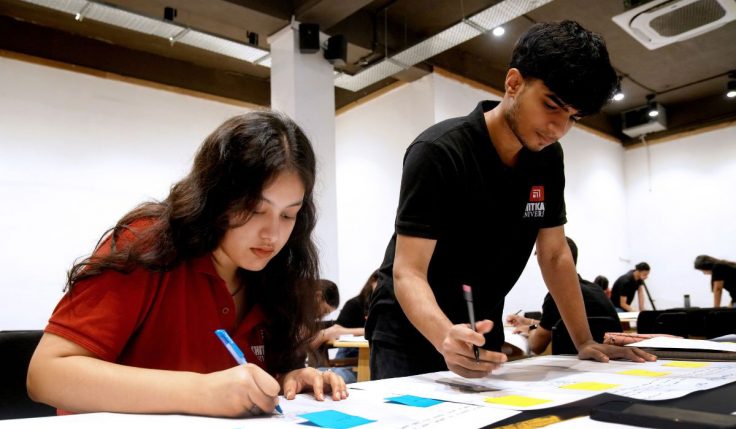
The students who opt for visual communication formally learn how to communicate with audiences using powerful design skills. A study program such as the 4-Year Bachelor of Design in Communication Design at Chitkara University helps in showcasing your ideas and thoughts visually.
If you want to make a career in this field then you can get ahead in the vibrant and ever-growing field of Communication Design with a globally respected qualification. The study program focuses on improving your creative practice and developing a solid understanding of theories that govern the field of Communication Design.
To Sum It Up:
Designing a visual story includes many techniques that can help in craft a compelling narration. Visual storytelling done with compelling designs can create ripples and bring much-needed changes by communicating strong messages.
If you are interested in making a career in the field of design then enrol for the 4-Year Bachelor of Design in Communication Design at the Chitkara University and kickstart the journey of a creative lifetime, today.